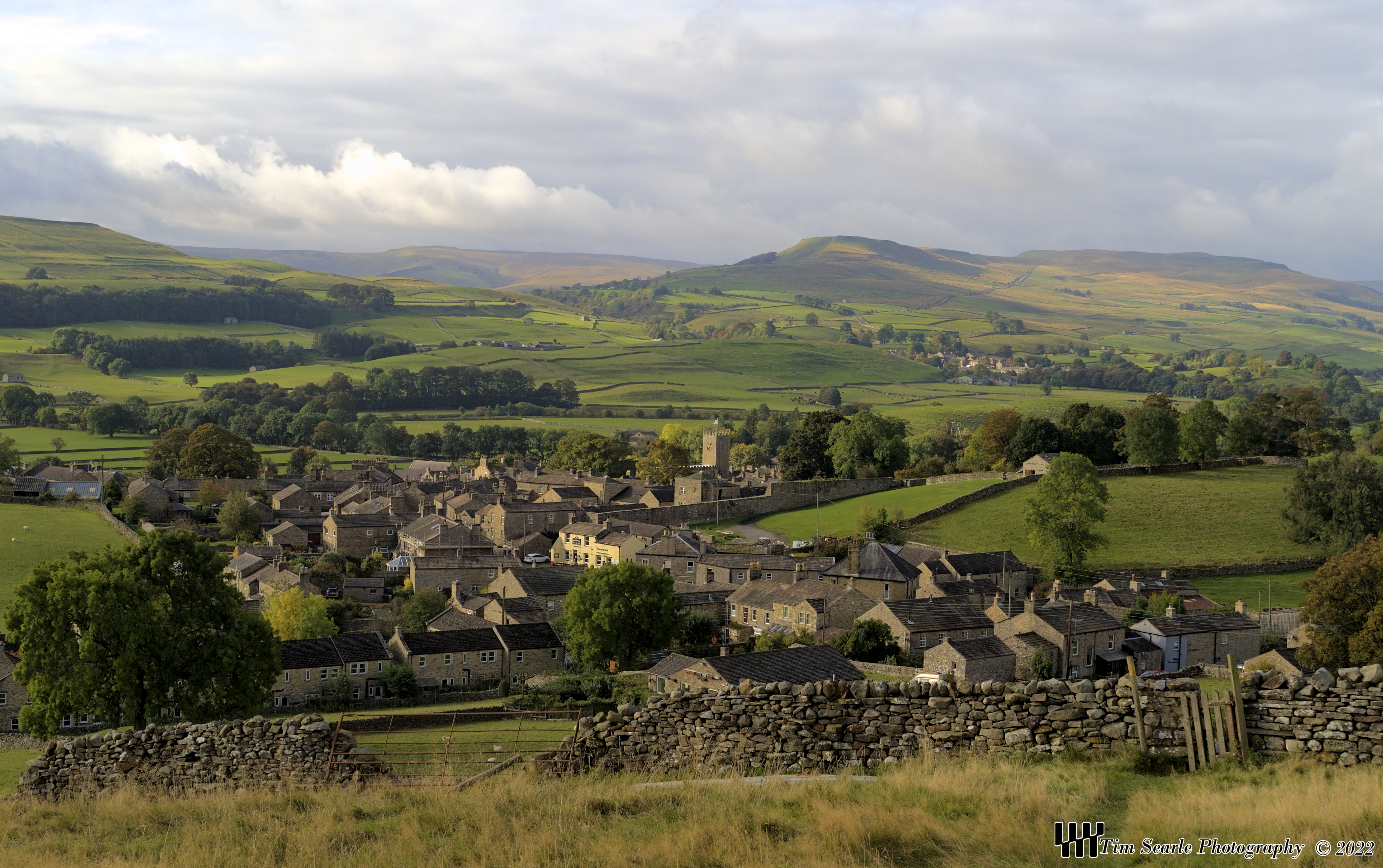
Askrigg Village
Askrigg is quite close to the Yorkshire Dales National Park, and is surrounded by hills, valleys and large open spaces. On a walk into the hills on a pleasant morning, I managed to get this picture of nearly all the village. As with many of the towns and villages around this area, most of the buildings are made from local stone, which could make them quite cold in the winter, but plenty of thermal insulation is added to the inside structure. Askrigg is well located in the heart of Yorkshire, having Aysgarth Falls National Park to the East, and Hawes (the home of Wensledale Cheese) to the West. It wasn't the brightest or sunniest of days when I took this, but it was a great day for a long walk.
OM-D E-M5markIII ~ f6.3 ~ 1/250th ~ ISO200 ~ 25mm
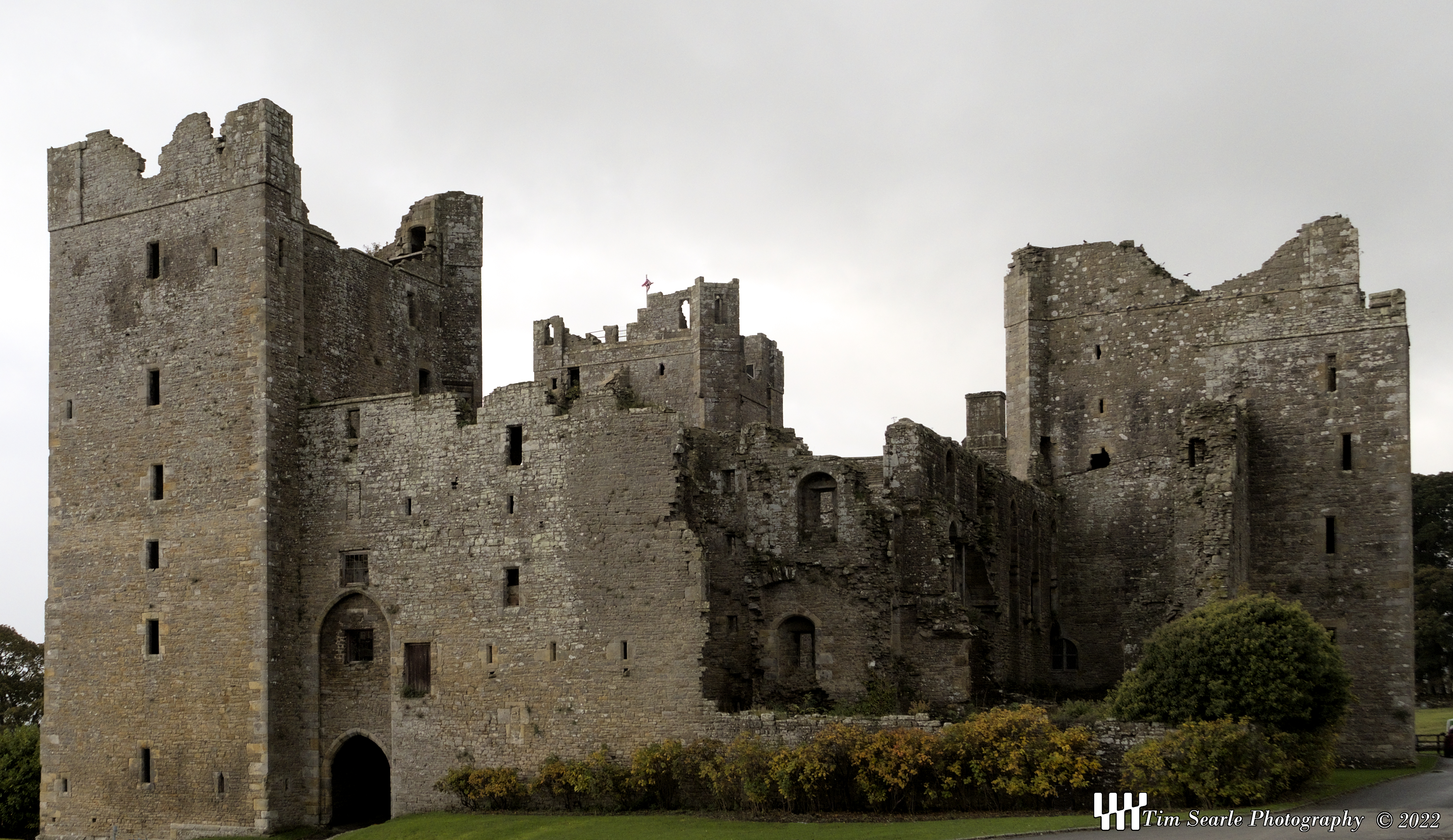
Bolton Castle
Bolton Castle, at a small village called Castle Bolton, is only a few miles from Askrigg to the East. The Castle has several events during the year, mainly through the peak summer season. The substantial garden boasts, amongst other things, to be a Dyer's Garden (Plants grown for their Dye colours - Red, Yellow & Blue) to enhance brightly coloured clothes worn by the gentry. Many other plants were grown for their health benefits & for the kitchen. Rather odd settings were used for this image, as it was a bright but cloudy day, an aperture of f5 was used, with an ISO of 800, but only a 1/800th shutter speed - but it all seemed to work to get a great exposure.
OM-D E-M5markIII ~ f5 - 1/800th - ISO800 - 17mm
Askrigg Gardens
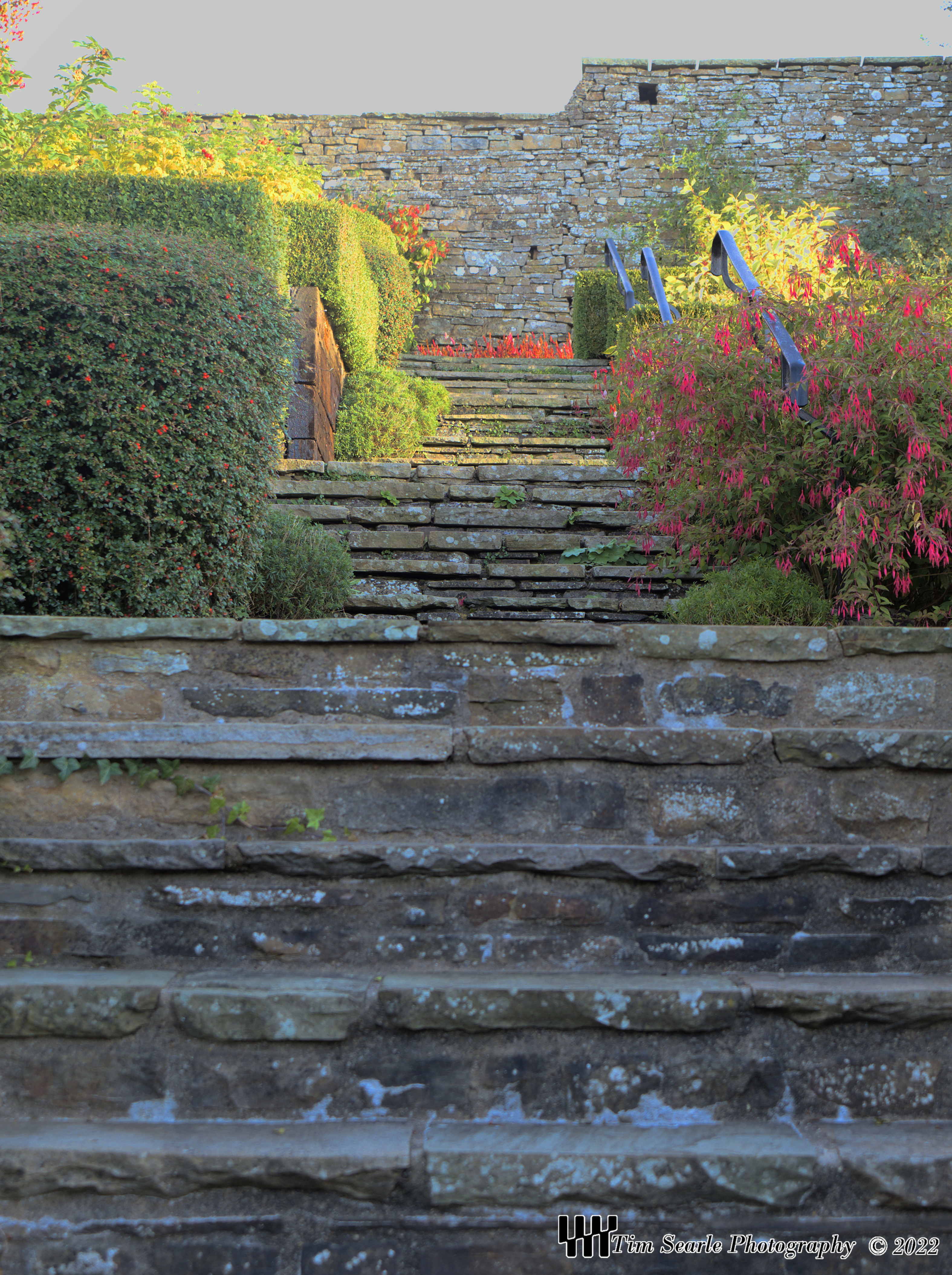
The gardens at the HPB (Holiday Property Bond) site in Askrigg are quite extensive, in fact, due to the amount of pictures I took, I could have given the gardens their own page - but I decided against it. It's plain to see that they have their own professional gardener, having beautifully pruned trees, shrubs & displays nearly all year round. The gardener often takes cuttings, plants them into pots, and puts them up for sale from various stands dotted around the site at certain times of the year. Just looking at the amount of steps will show that the garden is on a fairly steep slope. However, it has been set out on multiple layers, with only 4 or 5 steps per layer, to make it easier for the more mature visitor, with plenty of benches dotted around too for rest and to admire the colours. The steps, as with the walls and the buildings, are all made from locally sourced stone from quarries. You will see that the majority of villages in this area are made from similar materials, in fact, even the farmers field walls are the same, which adds another level of Rustic to the area.
The settings used for this image are quite typical for such a day and location. It was a sunny day, so only required the ISO to be low. The only setting I moved higher was the Aperture, to open it to f3.5.
OM-D E-M5MarkIII ~ f3.5 ~ 1/40th ~ ISO64 ~ 25mm
The Hound Pit
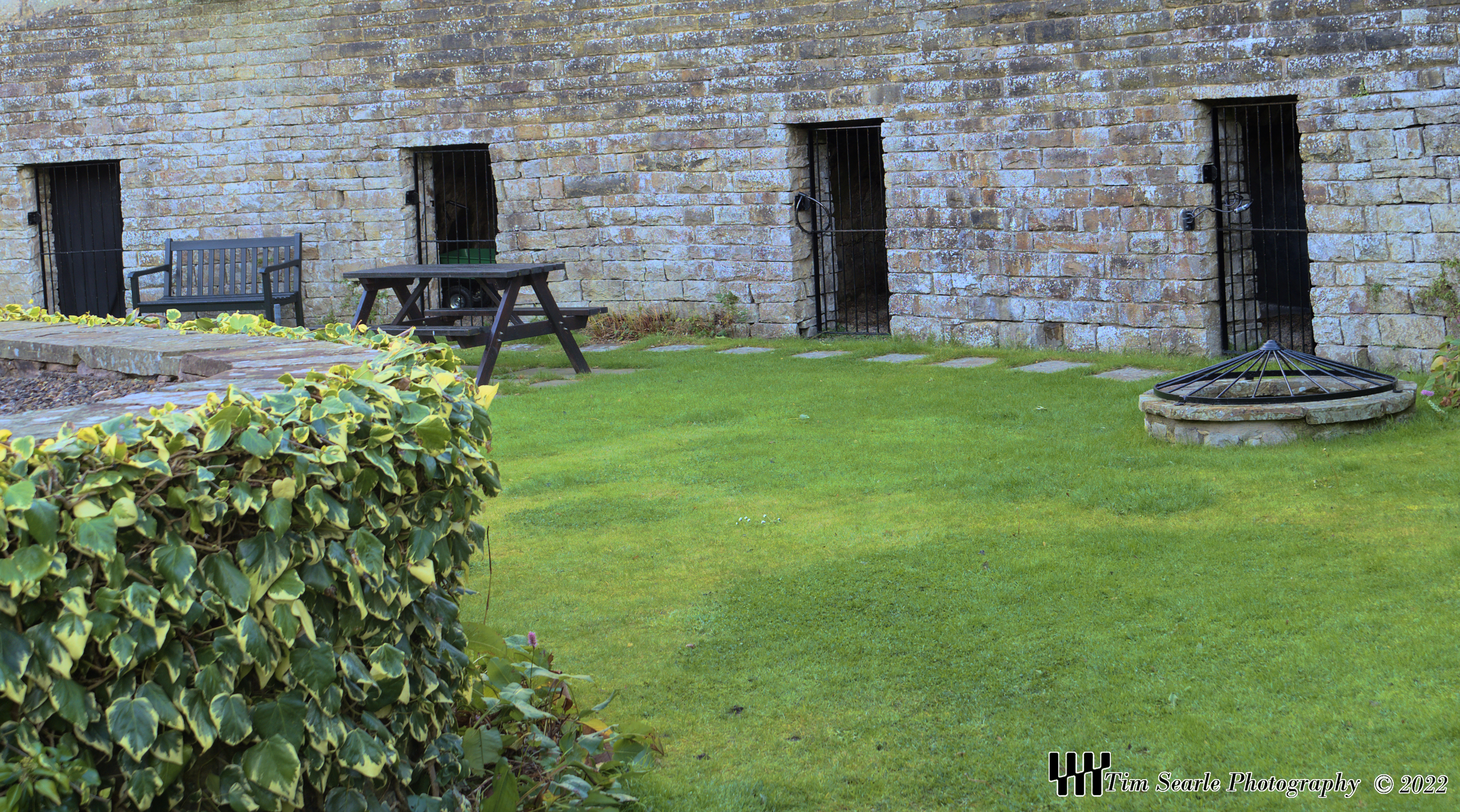
We are still at Askrigg with this picture, but where the gardens are at the rear of the complex, the Hound Pit is situated near the front. This area has quite a history, dating back 1752. A local man, John Pratt, became a horse breeder, and regularly took part in local hunts with dogs. He created this area for his hounds to live, and were located in some of the enclosures, while other enclosures were utilised for feed & bedding for the his dogs and horses. On this visit, we spent several hours in this area with drinks & nibbles, which was lovely due the the Sun Trap effect.
OM-D E-M5 mkiii ~ f3.5 ~ 1/50th ~ ISO64 ~ 24mm
Yorkshire Stone Walls
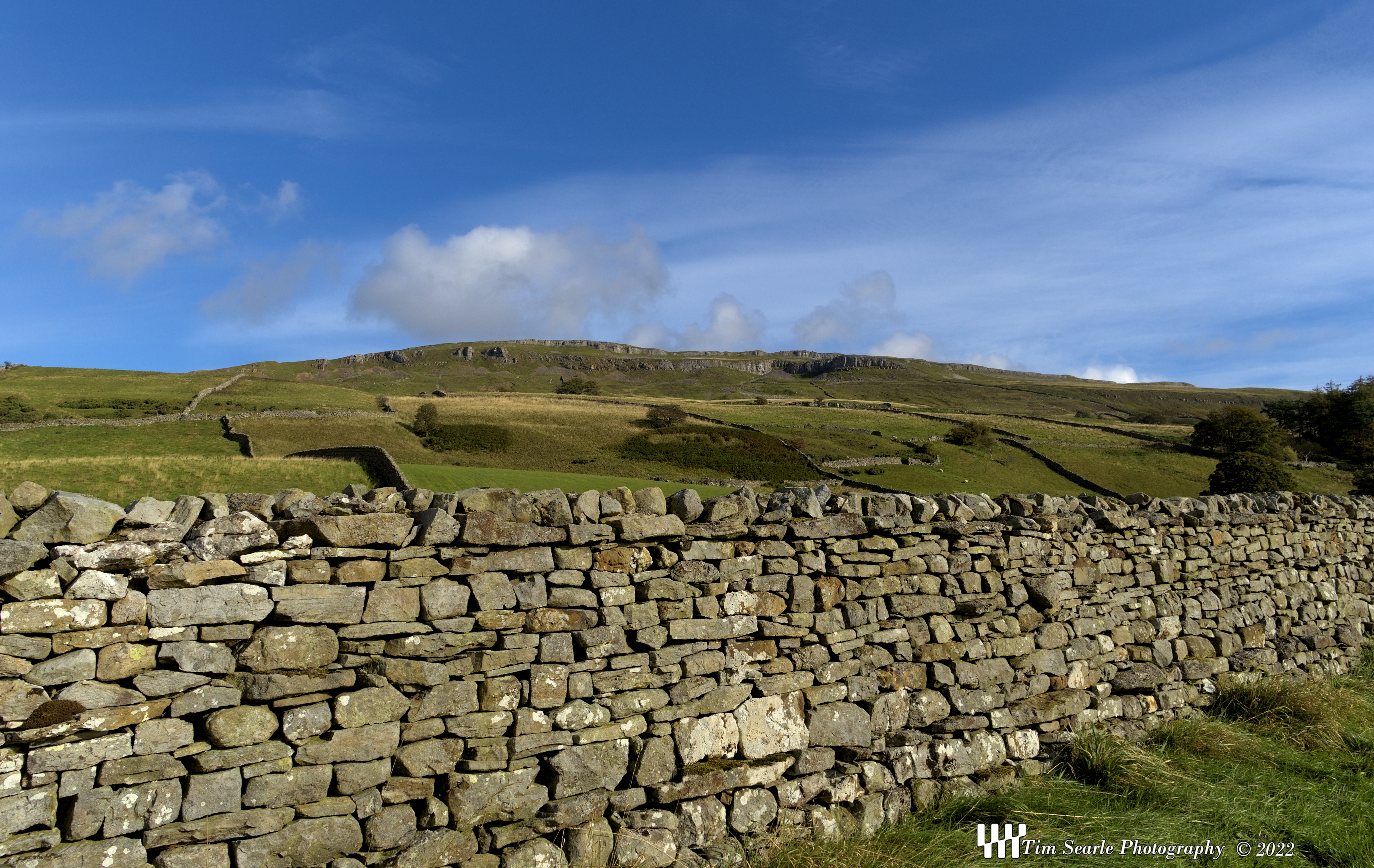
Yorkshire Stone, or Yorkstone as it is also called, is quaried locally in the County. It is an extremely versatile and strong type of sandstone, which is used for most construction in the area. The only difference with the construction of these walls & dwellings, is the these rural walls do not contain mortar, and are described as Dry Stone Walls. Many farmers in this area have been taught, through many generations, the art of building these walls to keep their livestock from roaming. Ramblers may occassionally see a small part of wall which has collapsed, but this is soon remedied by the farmer.
The setting show that this was a bright, sunny day, where a fast shutter speed & low ISO were enough to capture the wall, the background and the sky.
OM-D E-M5markIII ~ f7.1 ~ 1/400th ~ ISO250 ~ 12mm
Saltburn Pier
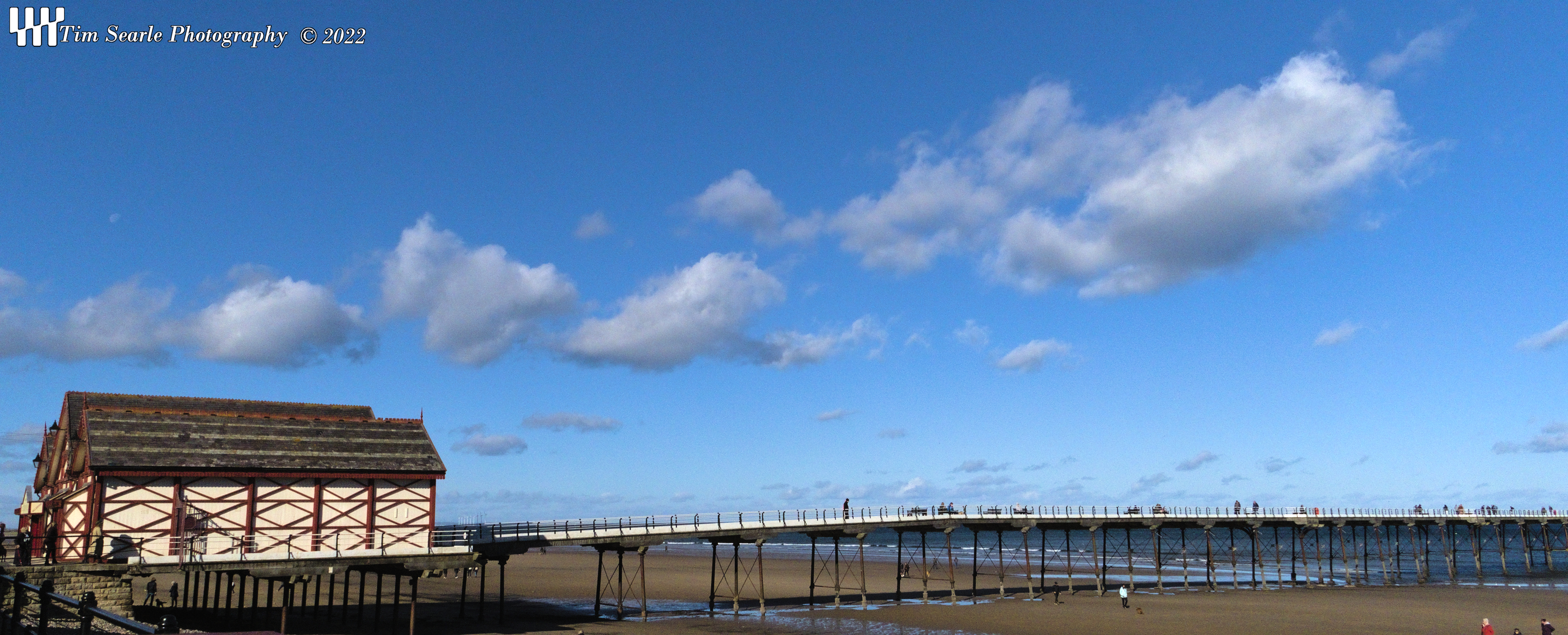
Piers at Seaside resorts are becoming quite scarce in modern times, but it's good to see these well maintained piers on the East coast of England. Saltburn is one the the most northern towns of Yorkshire, just before it changes to Teeside. The full name is Saltburn-by-the-sea, but everyone abbreviates it. It is a lovely, traditional town, with a quaint row of shops on the promenade.
OM-D E-M5 mkiii ~ f7.1 - 1/6400th - ISO800 - 12mm
Saltburn Huts
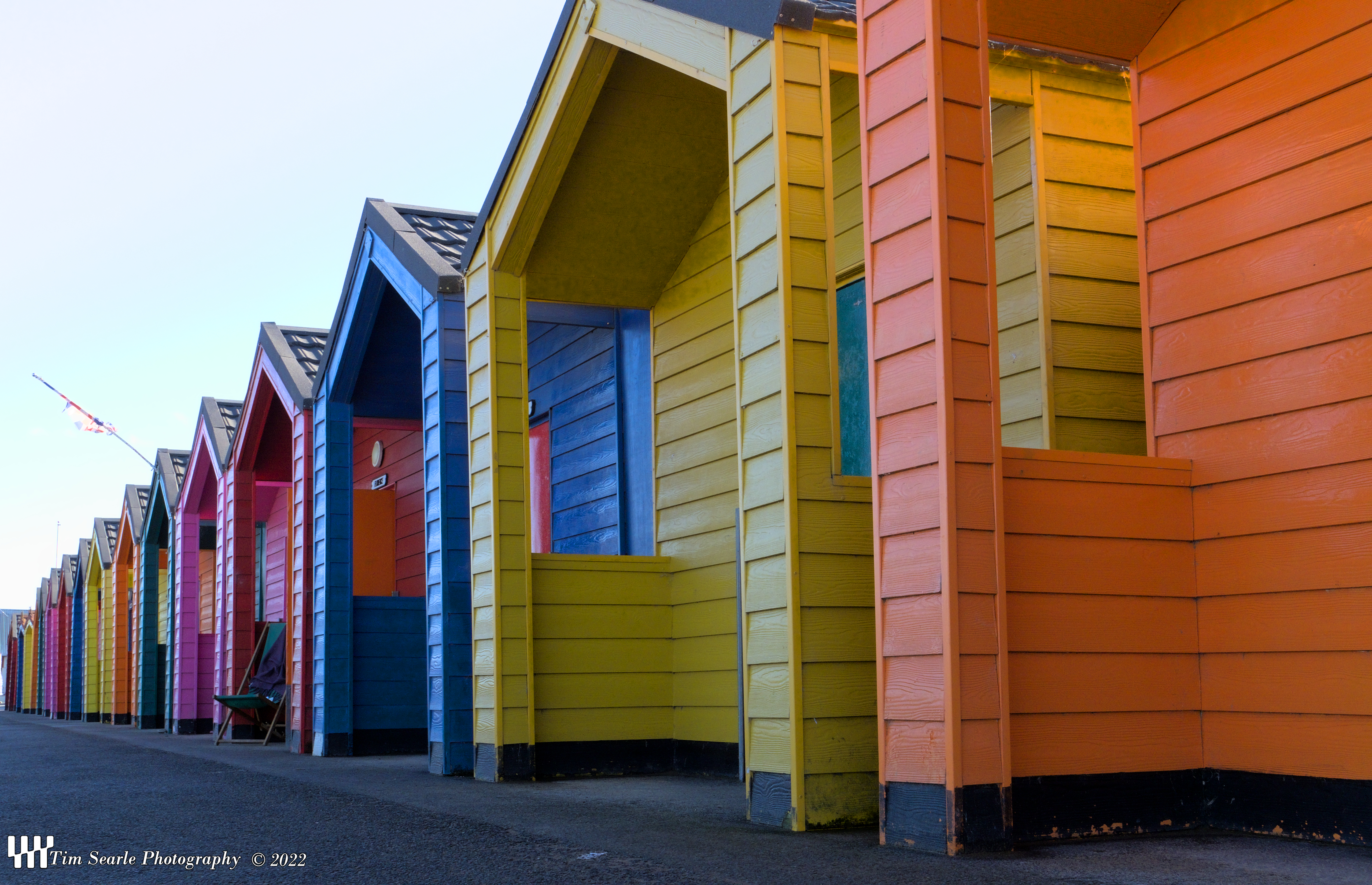
Just beyond the Pier a row of stunningly coloured beach huts greets you as you peruse the Promenade. These can be rented by the day or by the week & are used for changing swimming costumes privately, most also have a kettle & a few kitchen utilities, so a warm cuppa can be consumed. Saltburn also boasts one of the few remaining Funicular Railways, which transports visitors up and down the steep slope just above the promenade. In fact, the only other one I have seen is located in Scarborough, just south of here. Although this picture was taken near the end of the day, there was still enough light to capture all the colours in 1/250th second.
OM-D E-M5markiii ~ f10 - 1/250th - ISO800 - 19mm
Peasholme Park Goose
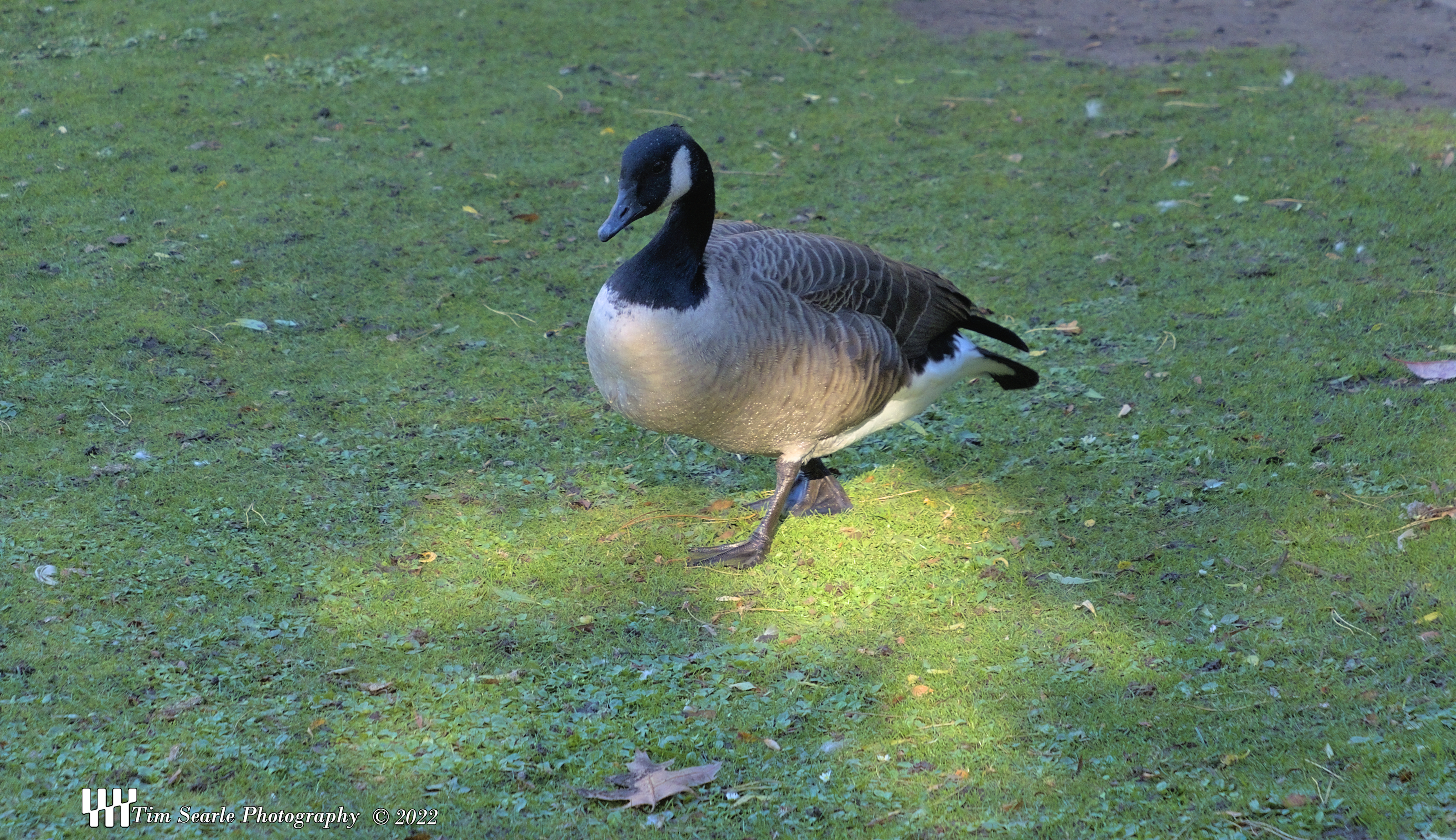
Peasholme Park in Scarborough is quite unique to Yorkshire. There are many different animals here, and most can be seen most of the year. With a large lake, it is home to Geese, Swans & Seagulls alike during Spring, right through to Autumn. This is one of dozens of Canada geese who frequent the area, and feeding them is a popular pastime of many tourist. I wanted a clear picture of this moving goose, so increased the shutter speed to 1/250th second, then I had to open the aperture to f4 & ISO to 800 to compensate.
OM-D E-M5 Mkiii - f4 - 1/250th - ISO800 - 60mm
Peasholme Park Swan
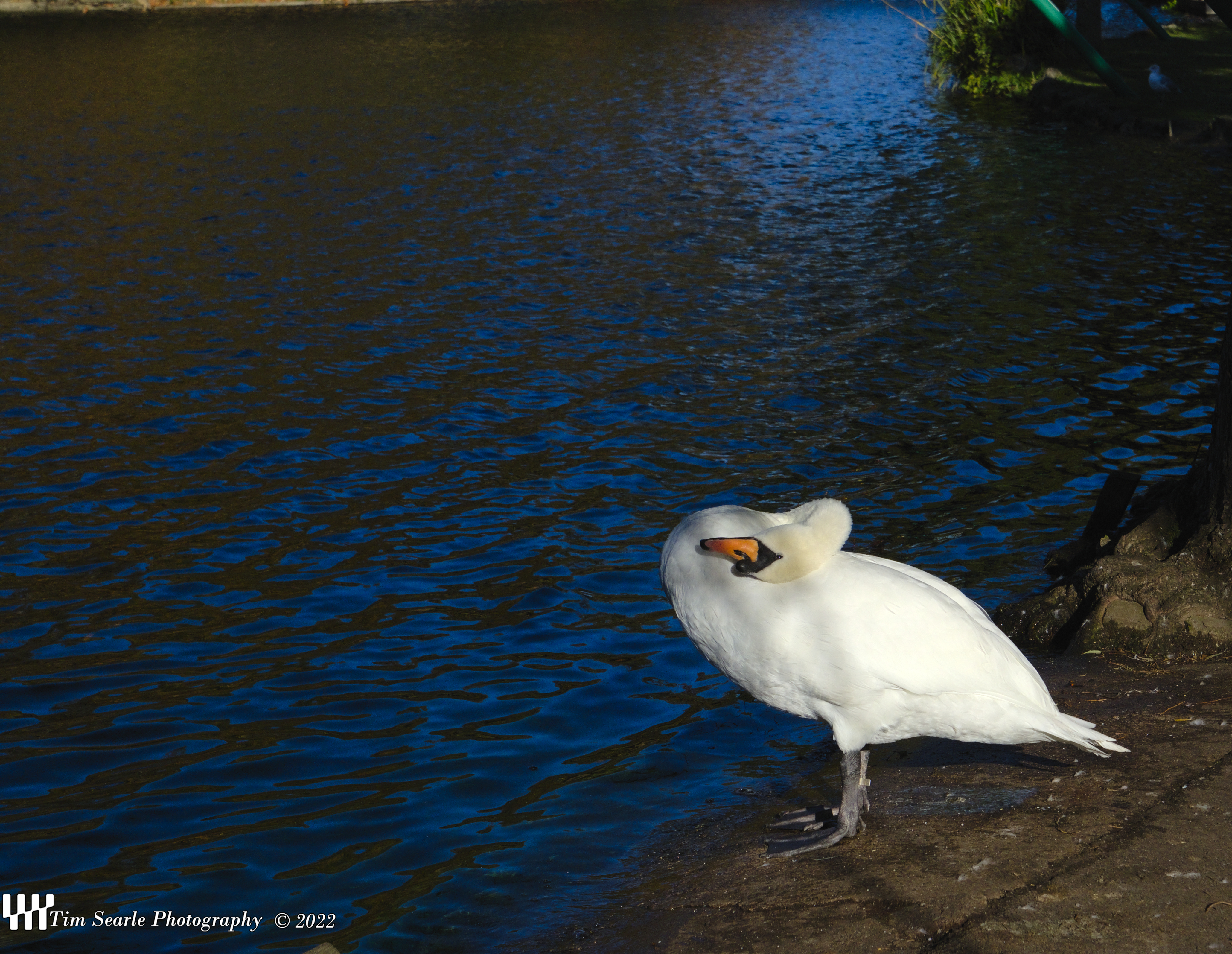
You'd be forgiven if you suspected that there was something wrong with this Swan at Peasholme Park, but that is the nature of these creatures. They often contort themselves to either reach their back feathers for preening, or they often sleep in this position too. The Exposure setting on many modern cameras allows some angles of water to show a deep blue colour, which I think contrasts against the white of the feathers. As I recall, this bird was preening itself, so I had to increase the shutter speed to 1/5000th, which would make the image quite dark, so I compensated by increasing the ISO to 800.
OM-D E-M5 Mkiii - f5 - 1/5000th - ISO800 - 31mm
Peasholme Park Squirrel
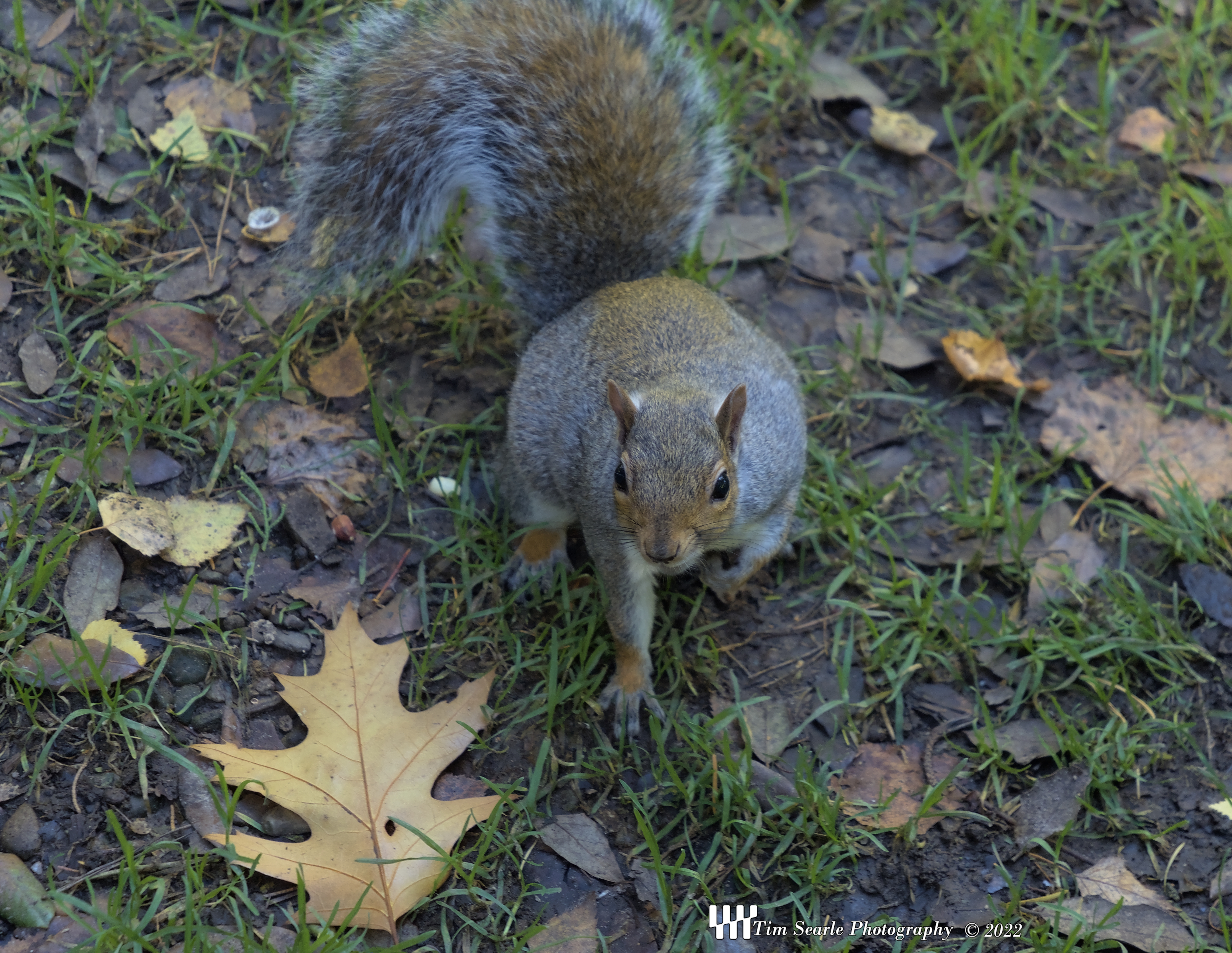
If you've already seen the squirrel on the Wildlife page, this was taken on the same day. There is something about these critters that makes me smile. Maybe it's the cute little faces, or the Crazy movements they make as they dart around. The squirrels at Peasholme Park are reasonably tame, while they are wild, they willingly take treats from passing strangers. I'm sure I'm not the only nature lover who longs for more Red Squirrels, but there are many sanctuaries these days to re-introduce them back into colonies. I honestly thought I would have to increase the shutter speed because of the irratic nature of these animals, but I managed to get away with a mere 1/25th second. Even though the ISO was boosted to 800, the image was taken in the shade of many trees, making it more subdued.
OM-D E-M5markiii - f4 - 1/25th - ISO800 - 60mm
Askrigg Waterfall
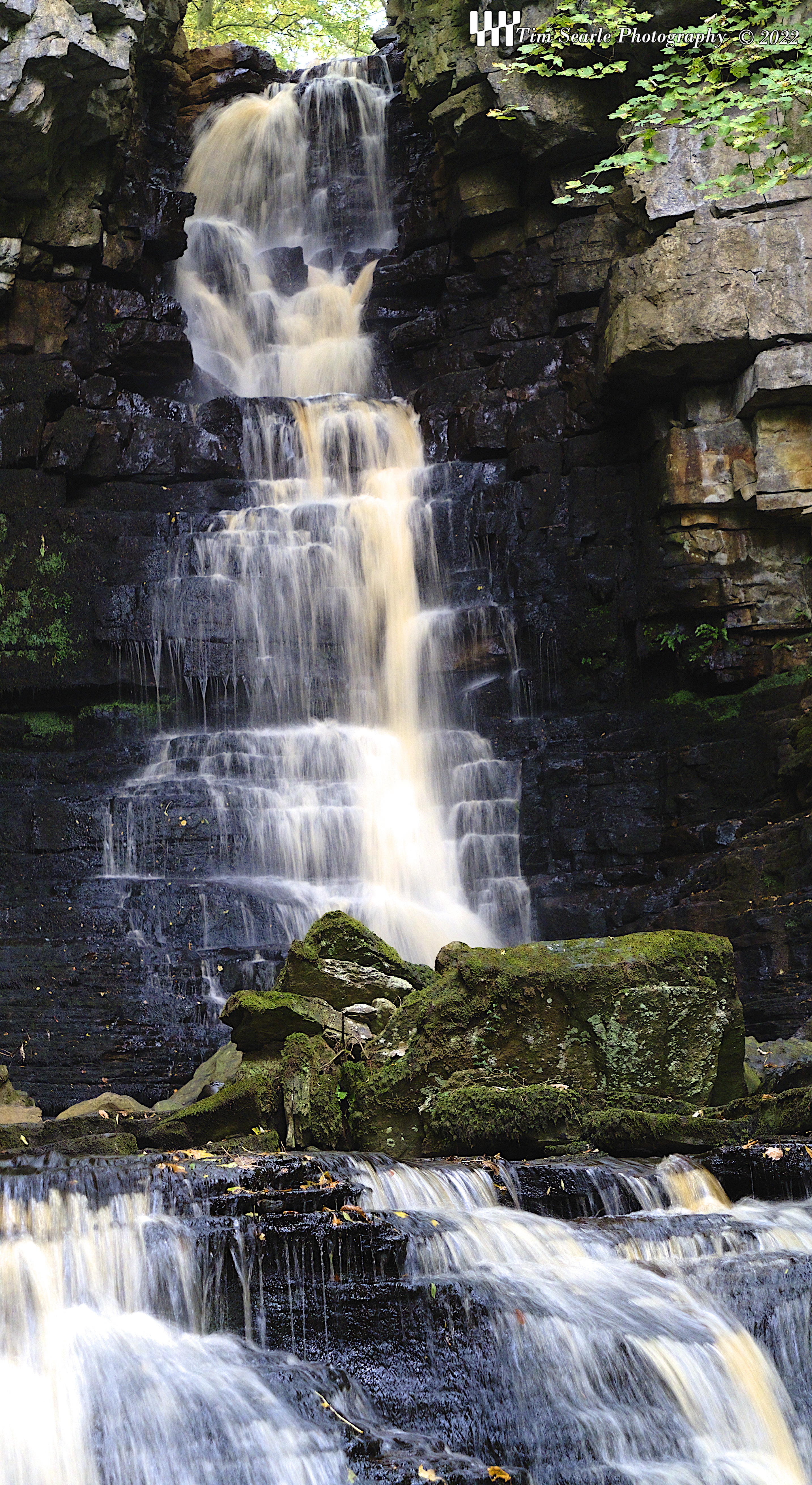
By now, you're probably thinking that I have a compulsion to photograph Waterfalls, well, you'd be correct. This is one of my favourite things to shoot because of the variation in them and the near endless options of capturing them in different ways & angles, and shutter speed, etc. This one was quite near to where I was staying in Askrigg, just a short walk, following the village stream. I probably took 50 or so pictures of this scene, from various positions and with varying shutter speeds to soften the look of the water. I was quite surprised that this image came out so well, given that 1/10th second is fairly fast for this type of photography. However, I did increase the ISO to compensate for the comparitively dark area due to the amount of shadows from rocks & trees.
Here's a little info on this waterfall, & other waterfalls in the area: There are 2 waterfalls on this stretch of water near Askrigg village, this one is Mill Gill Force, which is the most downstream one. It is named after the WaterMill which used to be located just down stream of here. In the era that these water mills were used, they were popular due to their cheap running costs, and the amount of work which could be done, in the mill, by the constant power of the water turning the large wheel. The other waterfall is called Whitfield Gill Force.
The word Gill is an old Norse word, meaning Steep Sided Ravine or Valley. The word Force is an old Viking word meaning Waterfall (due to the force of the water when it hits the ground below).
E-M5MarkIII - f3.8 - 1/10th - ISO800 - 34mm ~ Exp +1step
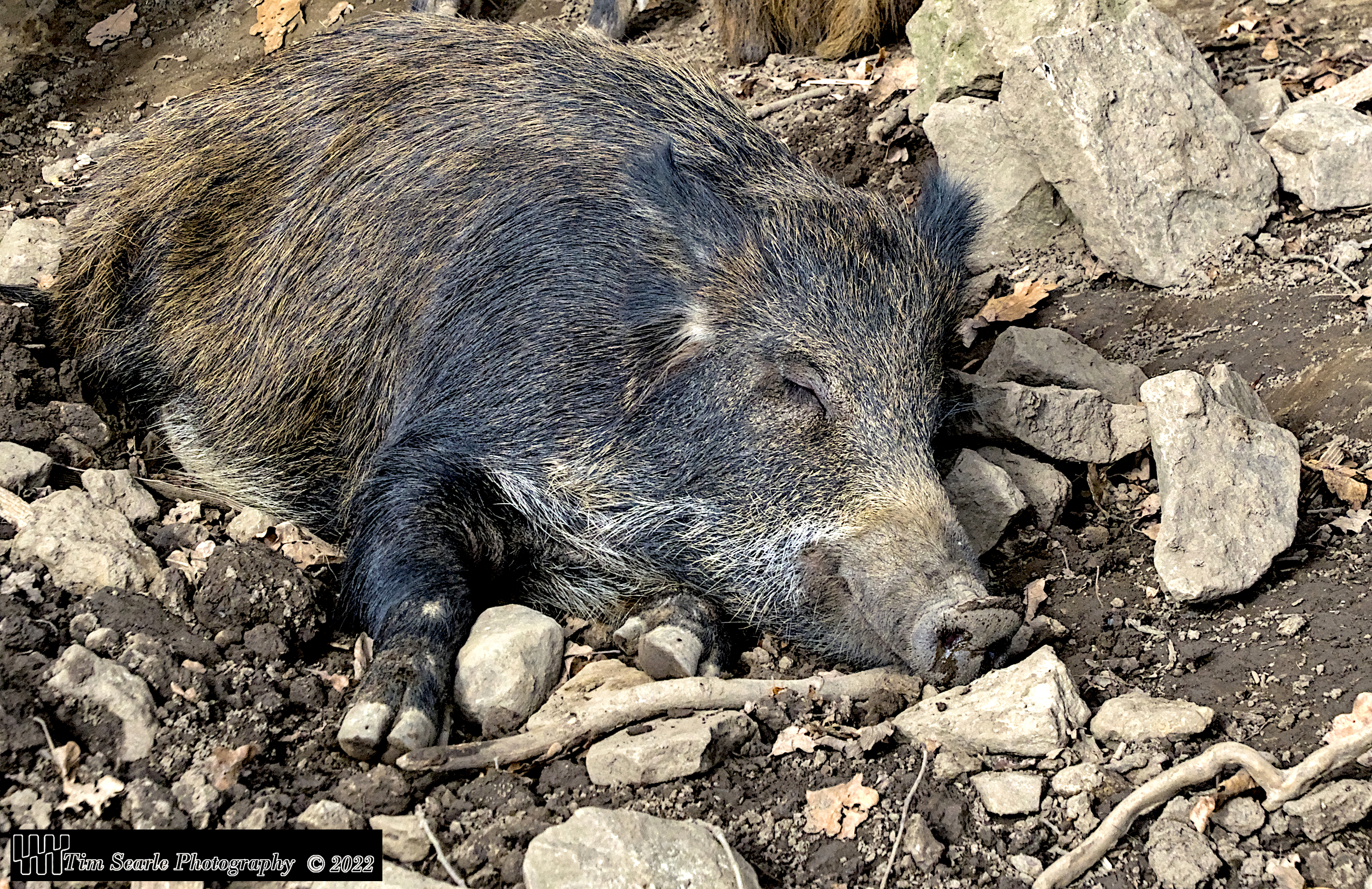
Bolton Castle Wild Boar
As mentioned earlier, Bolton Castle was self sufficient in so far as the garden. Not only were plants grown to produce dyes for weaving and colouring cloth, which was used for clothing & tapestries, they grew many plants for food in their garden. But, apart from all the home grown food, they also bred and reared Wild Boars, which roamed the grounds of the estate. In fact, to this day, they still breed their own Boars. There are nowhere near as many live stock as there used to be, because it is not required for the gentry, but some local taverns still have these animals on their menus for the discerning palete.
OM-D E-M5MarkIII ~ f7.1 ~ 1/400th ~ ISO800 ~ 60mm