Portfolio
Below is a definative list of the types of photography I have been lucky enough to experience. Each section has a brief explanation to the style type, methods and potential equipment required for that topic. The link at the bottom of each topic will take you to the page with those photographs on. If you have any comments, please visit my Contact Page.
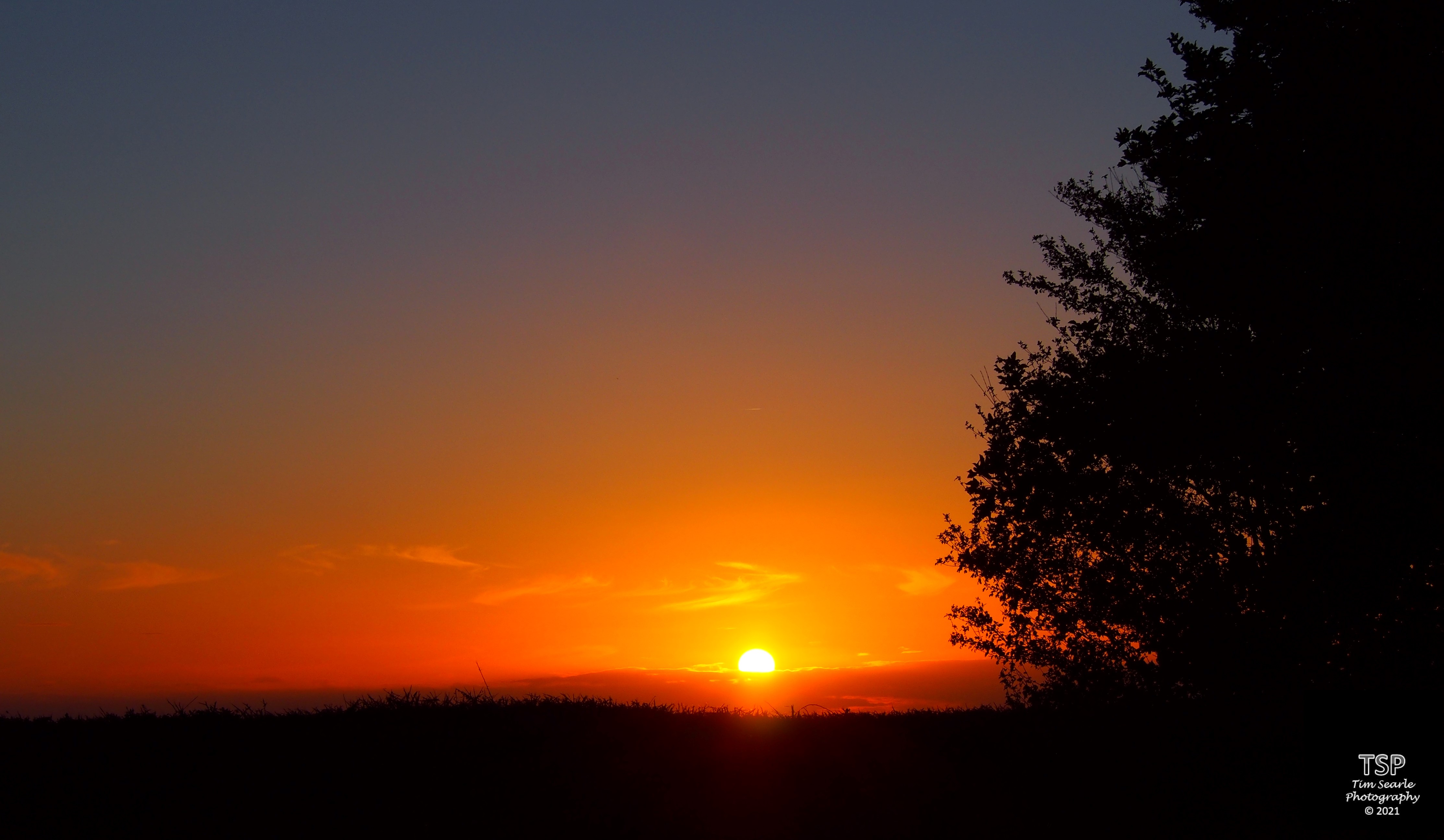
Scenic Views
This catagory includes scenic shots of landscapes from various locations around Lincolnshire and beyond. Various camera equipment systems have been used in this section, including lenses of varying focal distances and zoom options. Although a sturdy tripod is not required in this type of photography, I use one when I think there is a necessity.
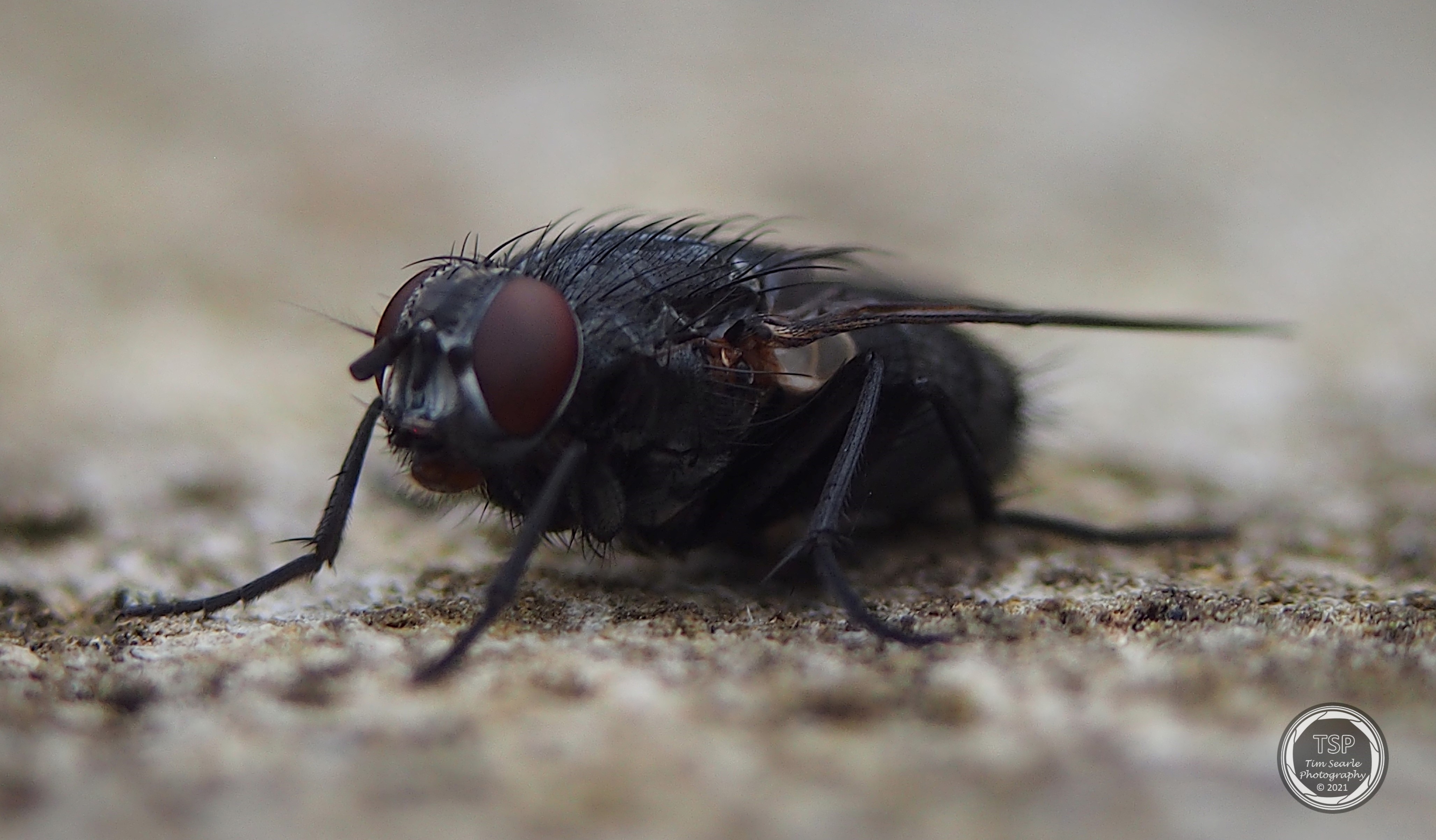
Macro & Close-Up
Macro and Close-Up photography are similar in many ways, in that they are images of smaller items and creatures which have to be zoomed in on to see the detail. However, Macro photography concentrates on Extreme Zooming to see miniscule items, which entails extra equipment to be used. There are special Macro Lenses available (at a hefty cost), but there are cheaper alternatives in the realm of Macro Tubes. These hollow tubes adjust the distance between the lens and the sensor, which alters the focal distance.
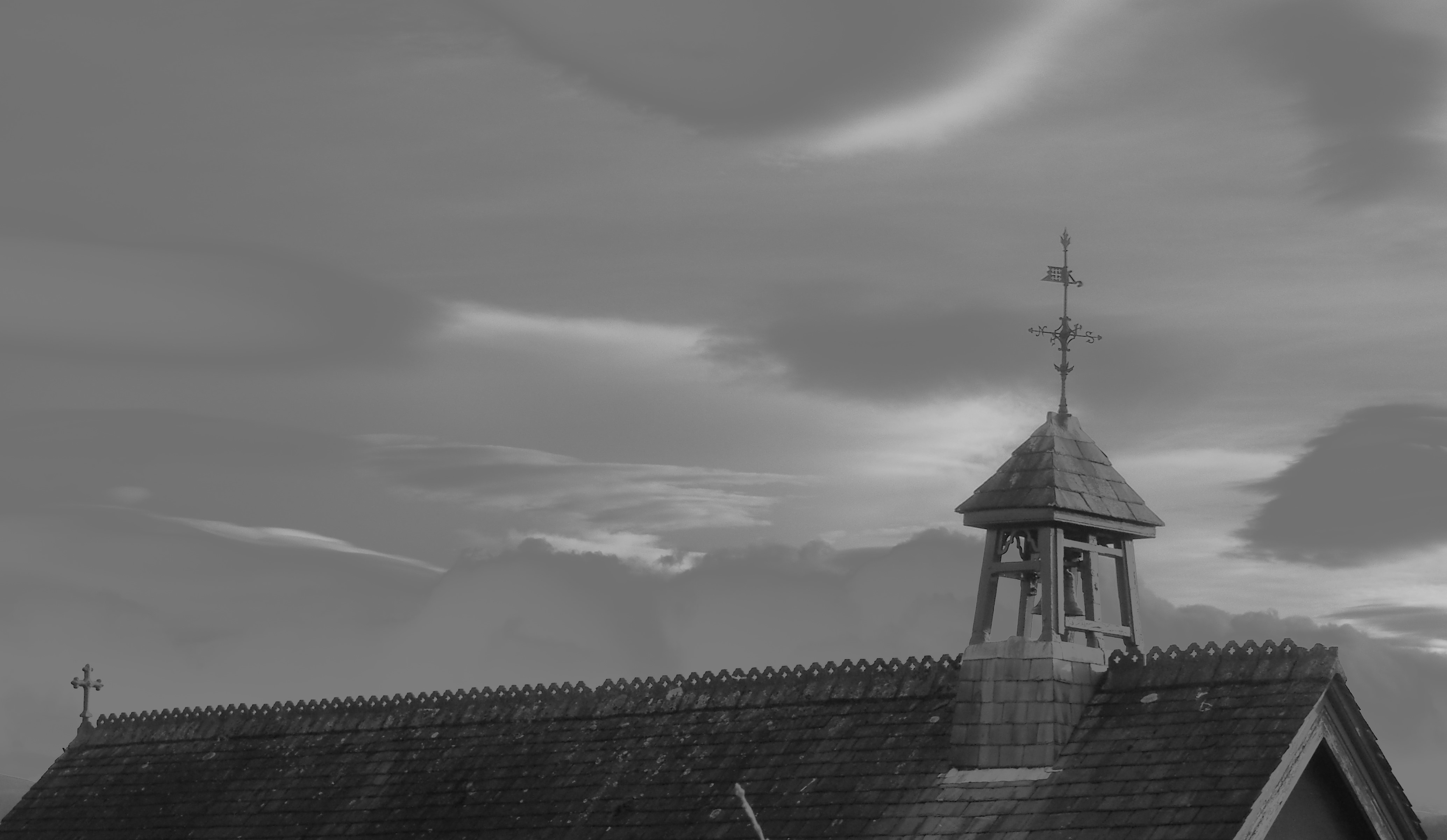
Monochrome
Although colour usually enhances photographs, there are times when Monochrome images can be used to give a more dramatic effect. Scenes with high-contrast and little colour seem to be those which show the best results. Simple snow scenes and stark lines are two types which give overall impact, sometimes seen as "Mysterious" and "Eerie". These images can be created "in-camera", without the need for post proccessing, which give an instant result via the cameras in-built screen.
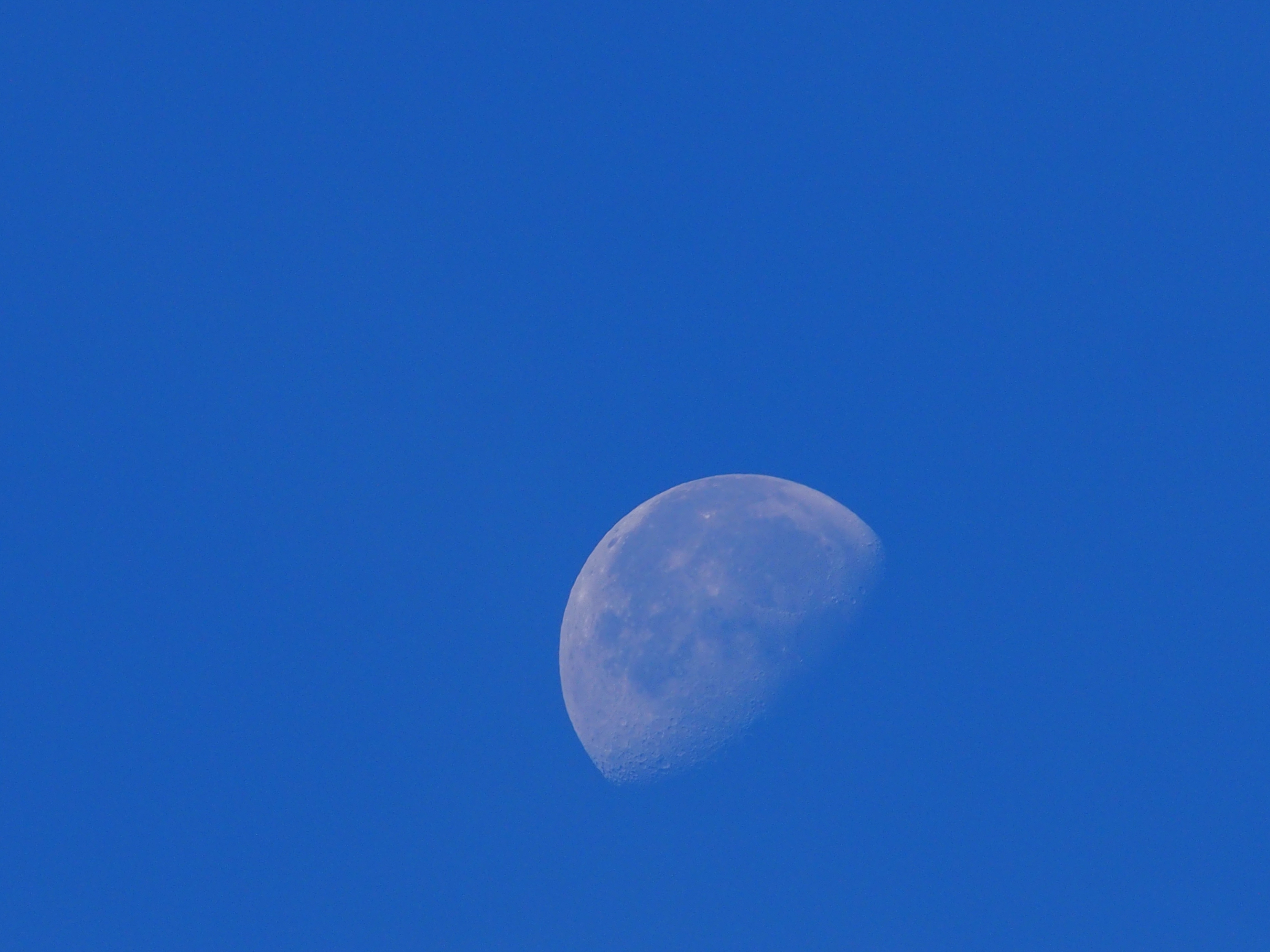
Astrophotography
This genre of photography is so varied, from lunar shots to images of the Milky Way. Each type has it's own methods, equipment requirements & settings. For example, pictures of the moon can be fairly simple, requiring only a powerful zoom lens and the correct settings. A sturdy tripod is absolutely essential in all astrophotography due to the subject being so far away. The best results from Milky Way shots involves taking several images (usually 10) and "stacking" them in post production software to merge them together to enhance the image.
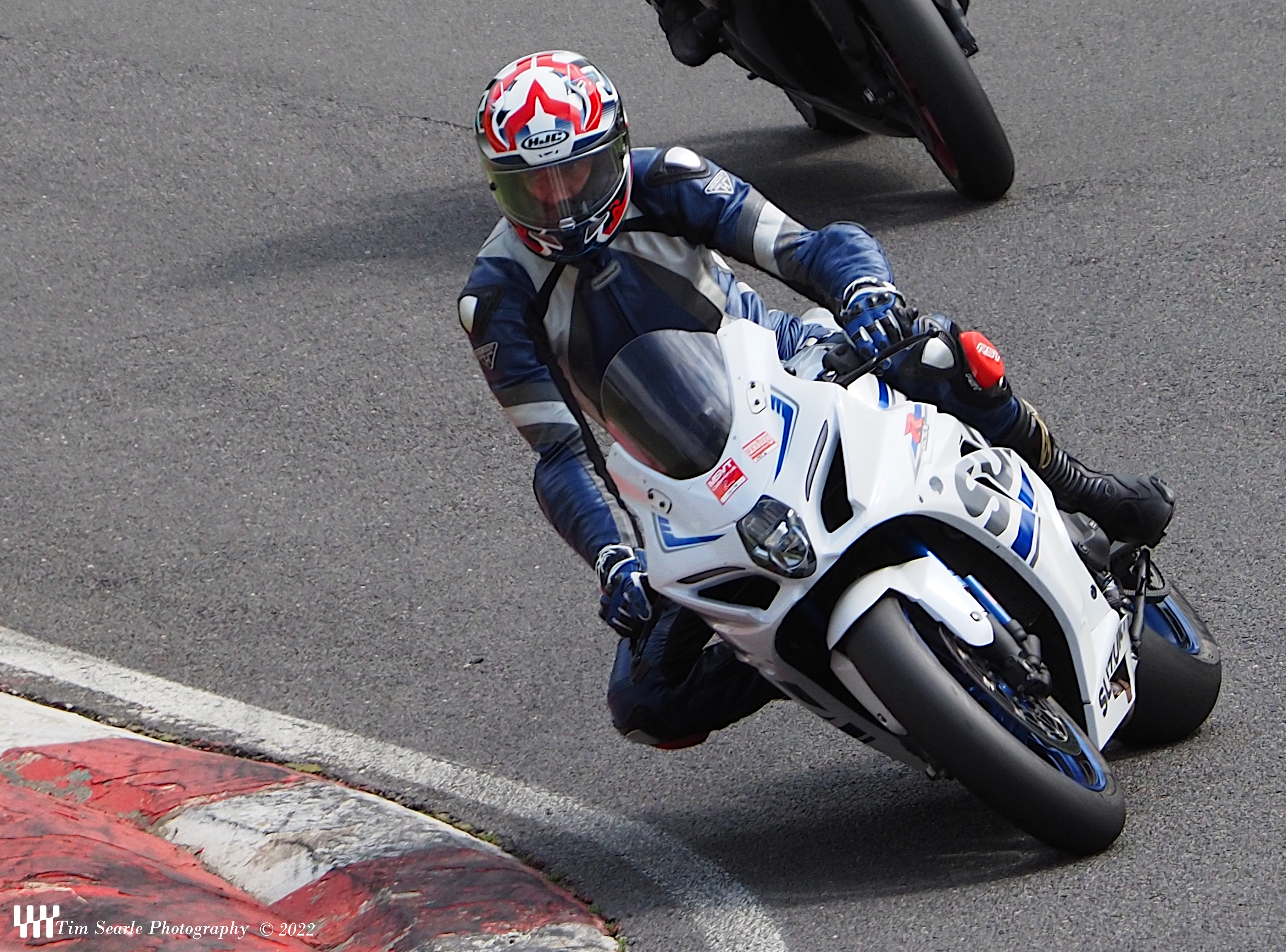
Short Exposure
This discipline is useful for fast action shots, usually motorsports other fast-moving subjects. The equipment used for this style isn't as important as it is for other types, but a good lens is key here. A fast lens with a wide apature (f2.8) will get more light into the camera for a short time-frame, ensuring the picture is sharp and bright. Moving the camera with the subject can also help to keep things in focus. One thing to bear in mind when panning the camera, the more zoomed in you are, the more difficult it is to keep the subject in frame.
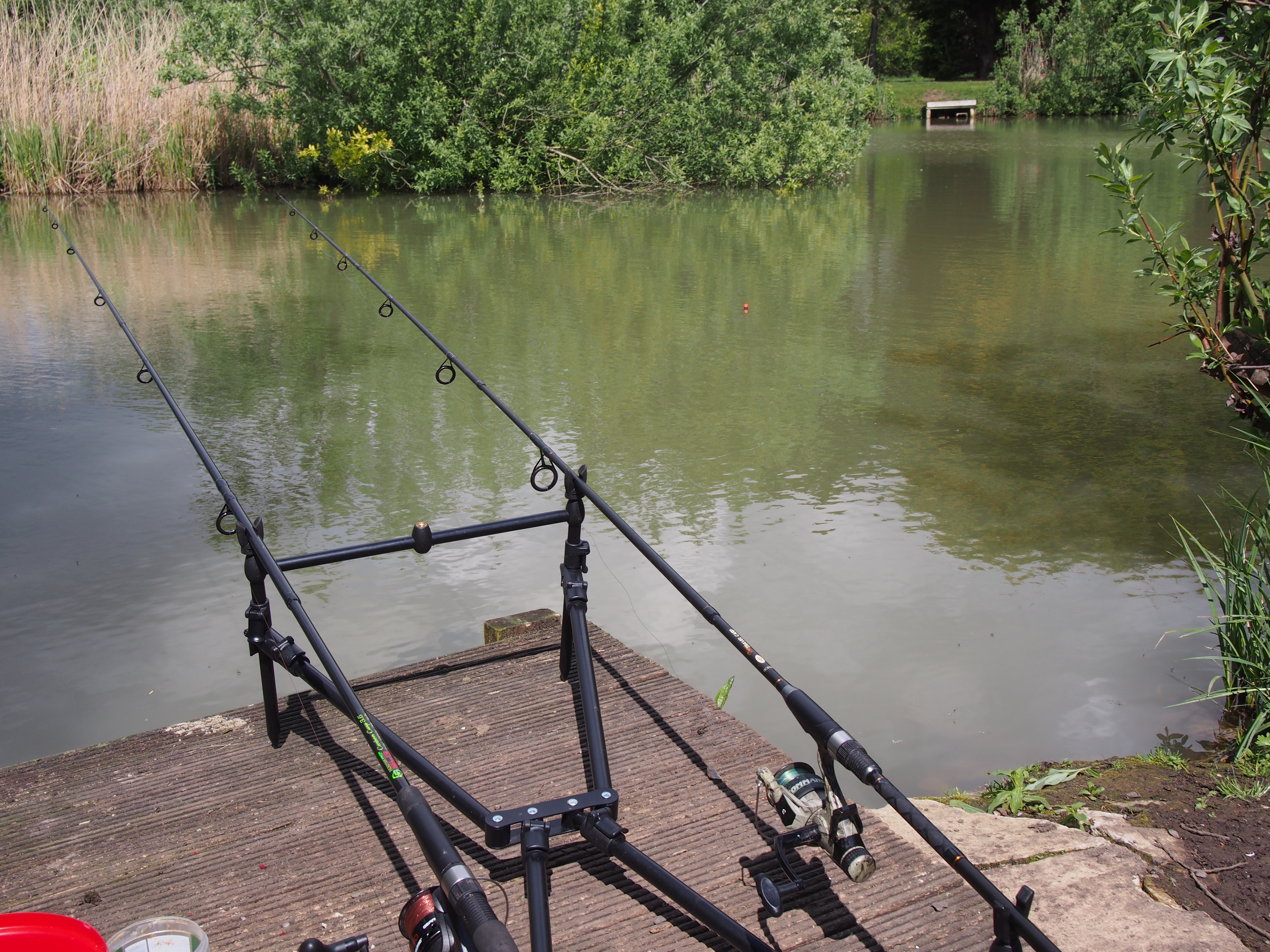
Gone Fishing
Another one of my hobbies is Fishing. Along with thousands of other keen anglers, I enjoy the peace and quiet on the bank of a fishing lake, taking in the tranquility and wildlife of the surrounding area. There are some great photos to be taken at these venues, but not just the wildlife, the beautiful scenery and sometimes amazing shots of the reflection of the water. To get the full effect of many water shots, I always carry a Polarising Filter in my camera bag, they are small, lightweight and useful for enhancing colours and glare.
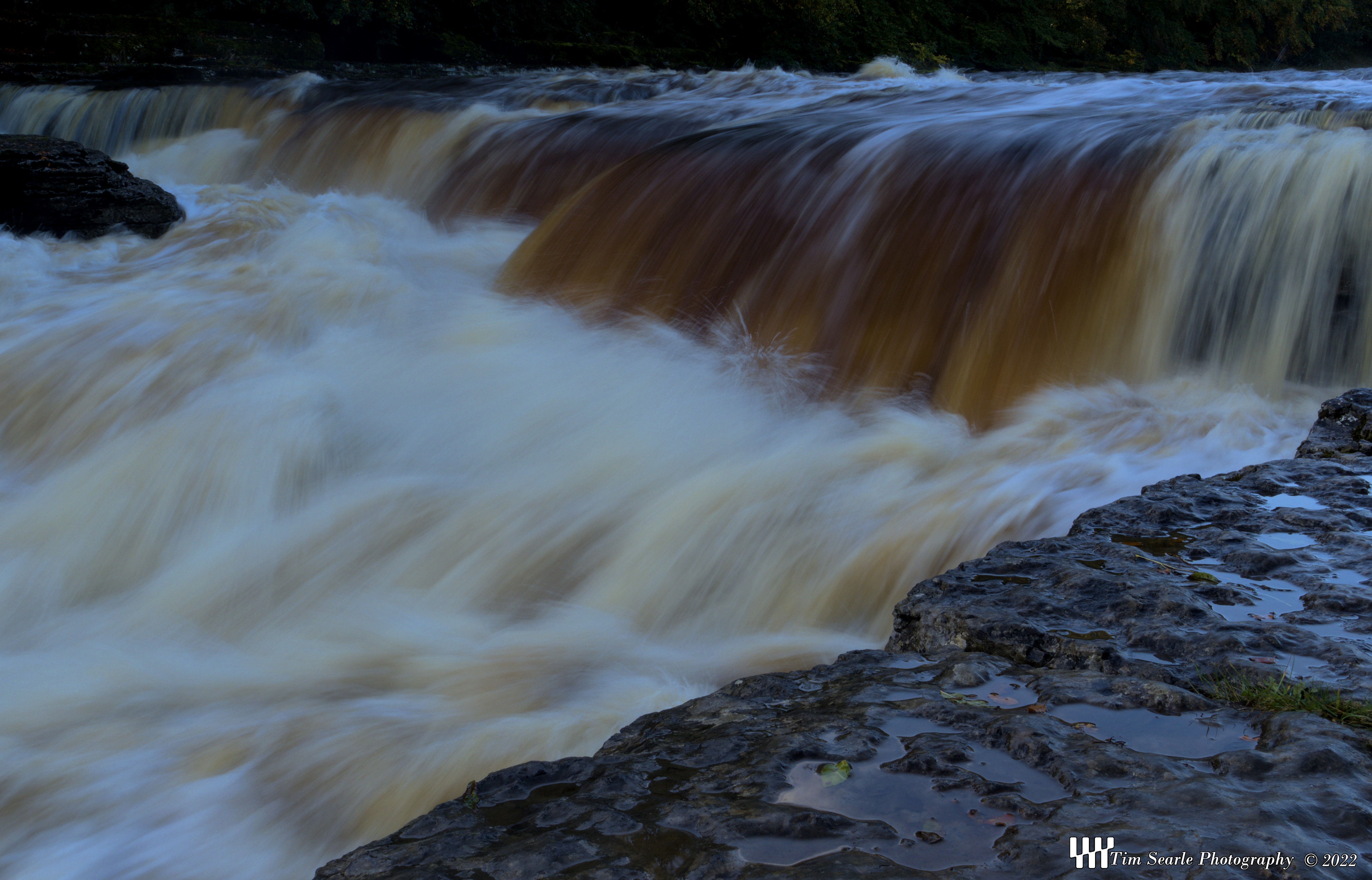
Long Exposures
Long Exposures are exactly what the name implies, pictures taken with the shutter open for a longer period of time. I mainly use this technique for waterfall pictures or images of water that is being moved around by wind or current. The long exposure allows the camera to change the water surface, giving the illusion of a calming or smoothing effect. The disadvantage of a longer shutter speed means that, sometimes, too much light hits the sensor, this is when I use a Neutral Density (ND) filter to block the light slightly.
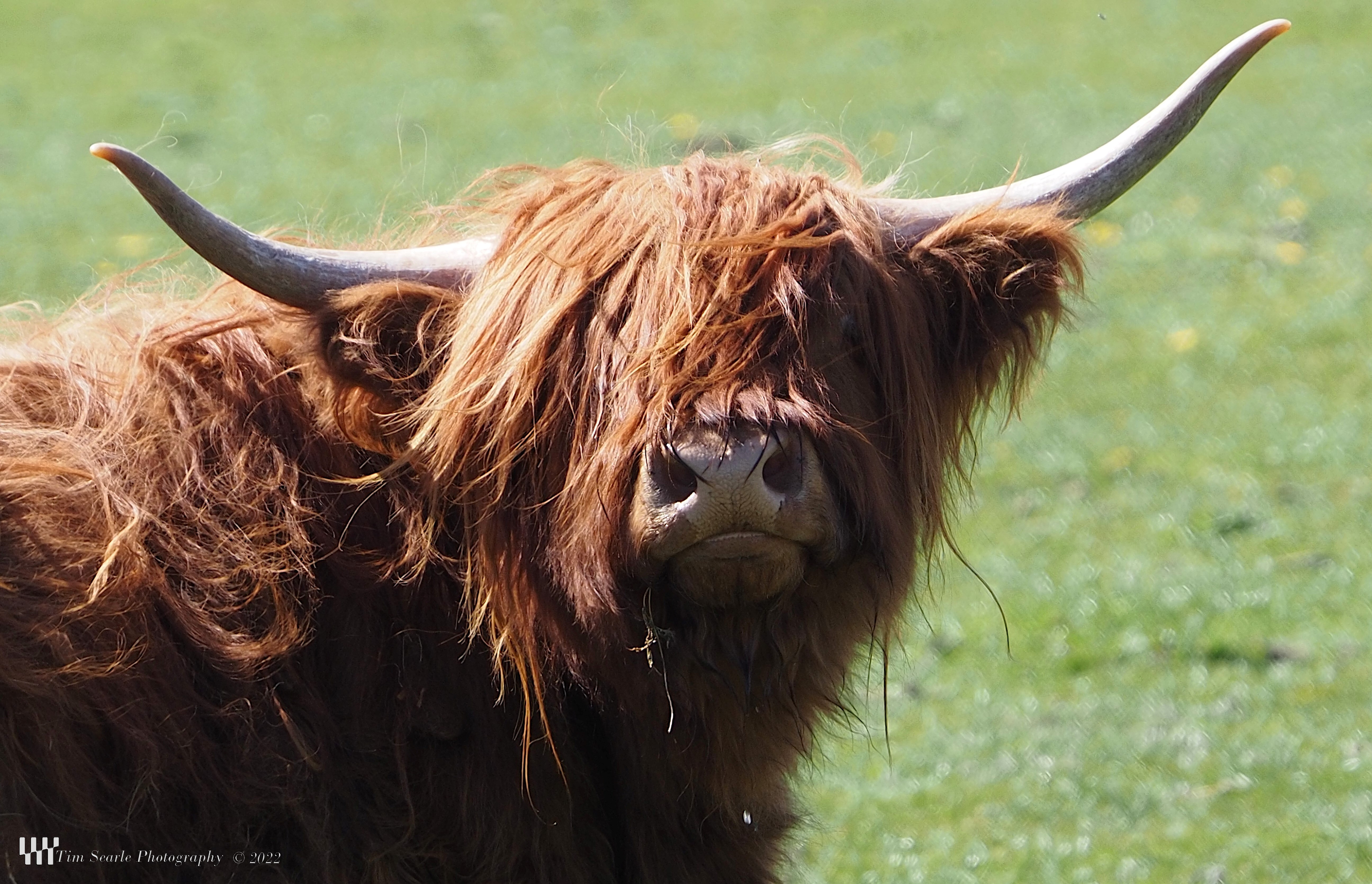
Wildlife
There are many forms of wildlife in this section, from birds to cows, sheep to reindeer, and more. This topic overlaps from the Macro section, but the photographs contained in this section are not close-ups, but merely zoomed in from a distance. Obviously, it is difficult to get close to some of the creatures to prevent scaring them, thus a decent zoom lens is required. With that in mind, a steady hand or tripod are usually required for these shots. To get a good focus, a fast shutter speed is important, therefore, a fast lens is required to get as much light to the sensor as possible.
Drone Captures
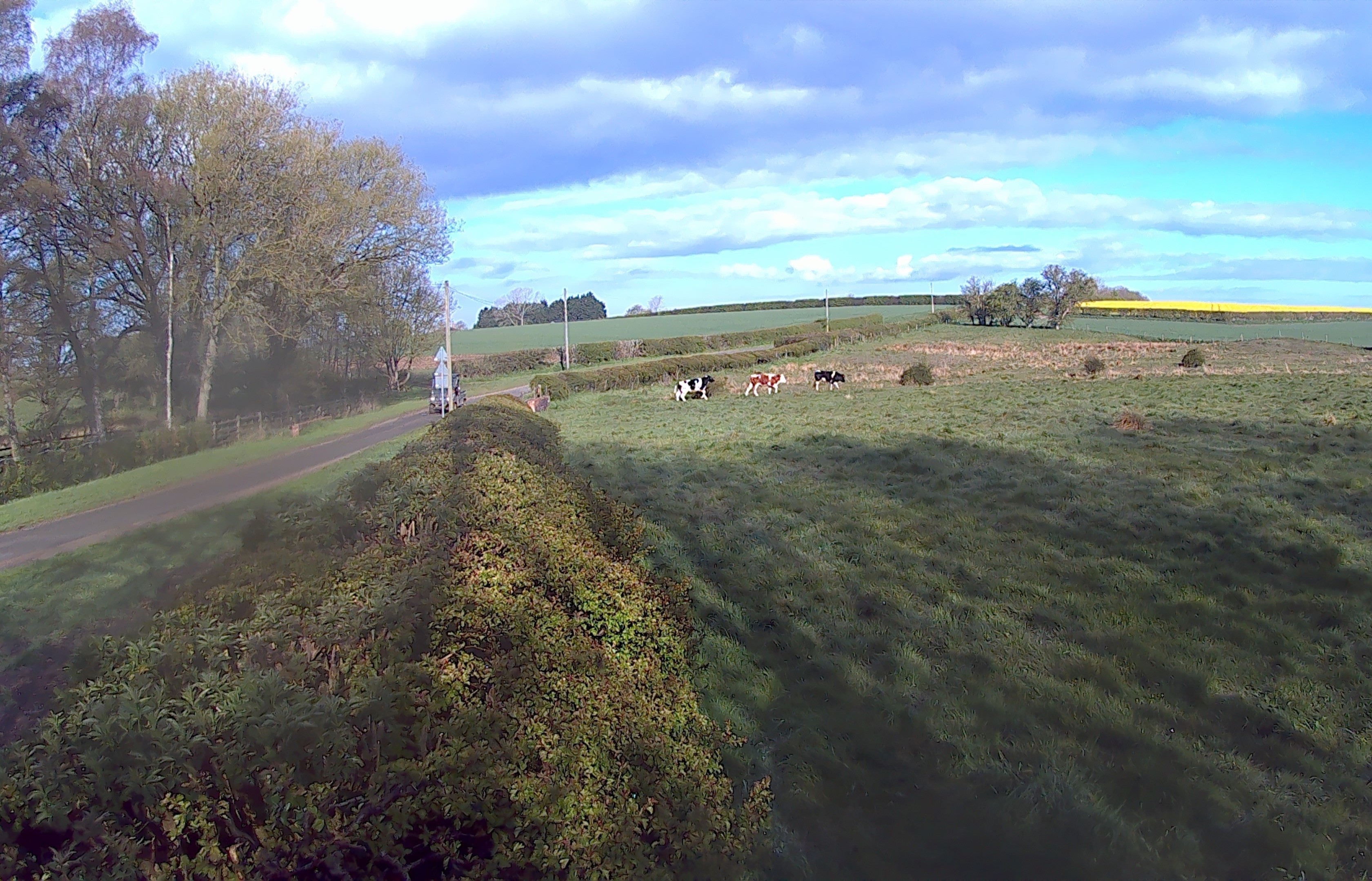
As explained on the Equipment page, my drone is a reasonably in-expensive one. Considering that they sell from a few hundred pounds to a few thousand pounds, £25 was fairly good. It has served me well and is handy for many scenarios where a hand-held camera wouldn't be suitable. As can be seen from the pictures in this section, a drone can get into places not accessible any other way. The camera lens is such a wide angle, the images can appear distorted, but they are still decent quality (being 1080p). The Snaptain also captures video in 1080p.
Louth
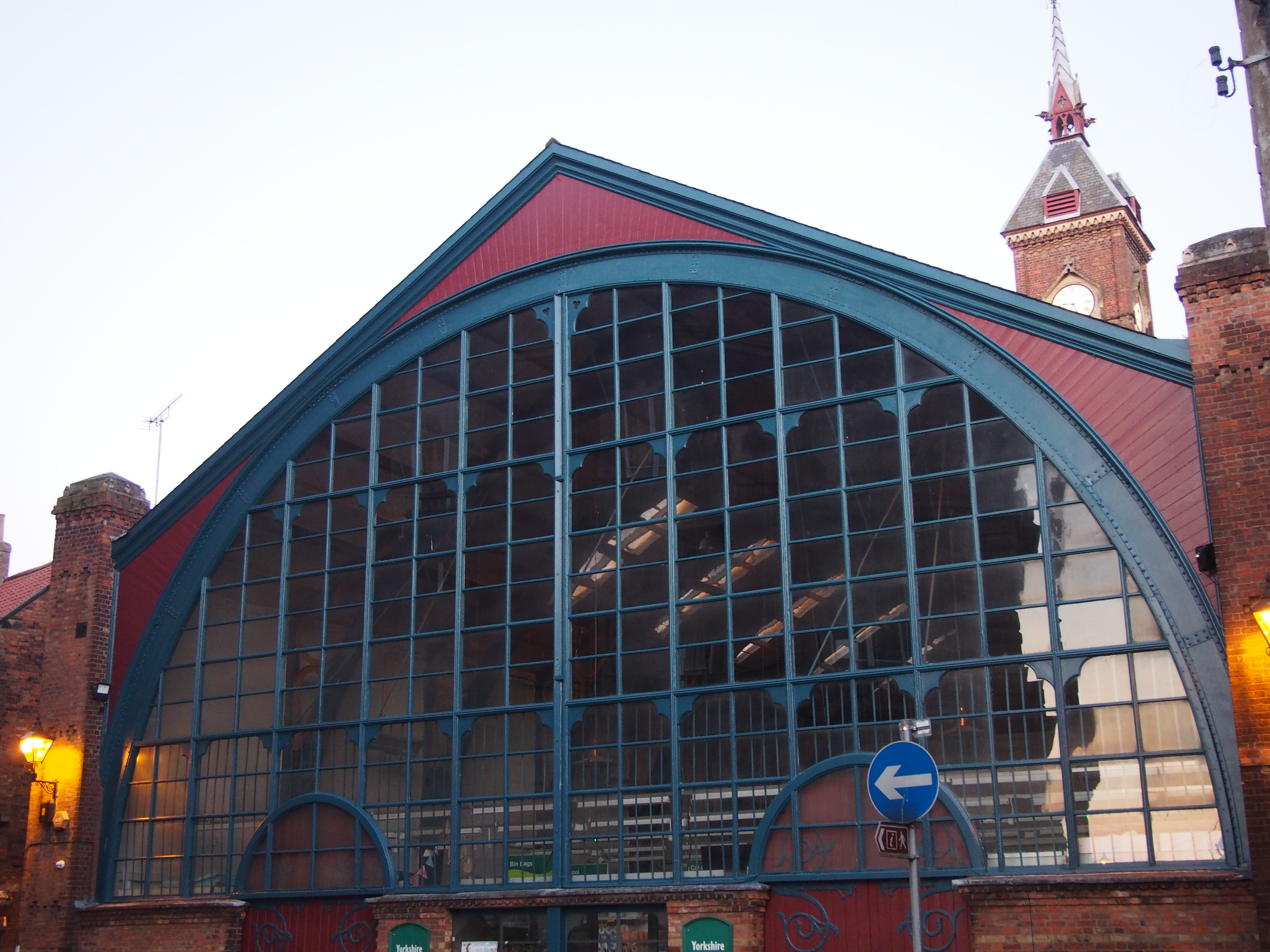
Louth is in the heart of the Lincolnshire Wolds. For those who don't know, there are two main landscape types in Lincolnshire - The Wolds and The Fens. Southern Lincolnshire is very flat and has many wetlands or "Fens". This land has specific agricultural drainage systems (similar to Holland), where drains are used for rain water to run into, which also waters the crops when it's dry. In the North are the Wolds, which are very hilly and undulating. This area is popular for cyclists who want to push themselves. All of Lincolnshire is extremely agriculture based due to the amount of farm land and the rich soil.
Horncastle
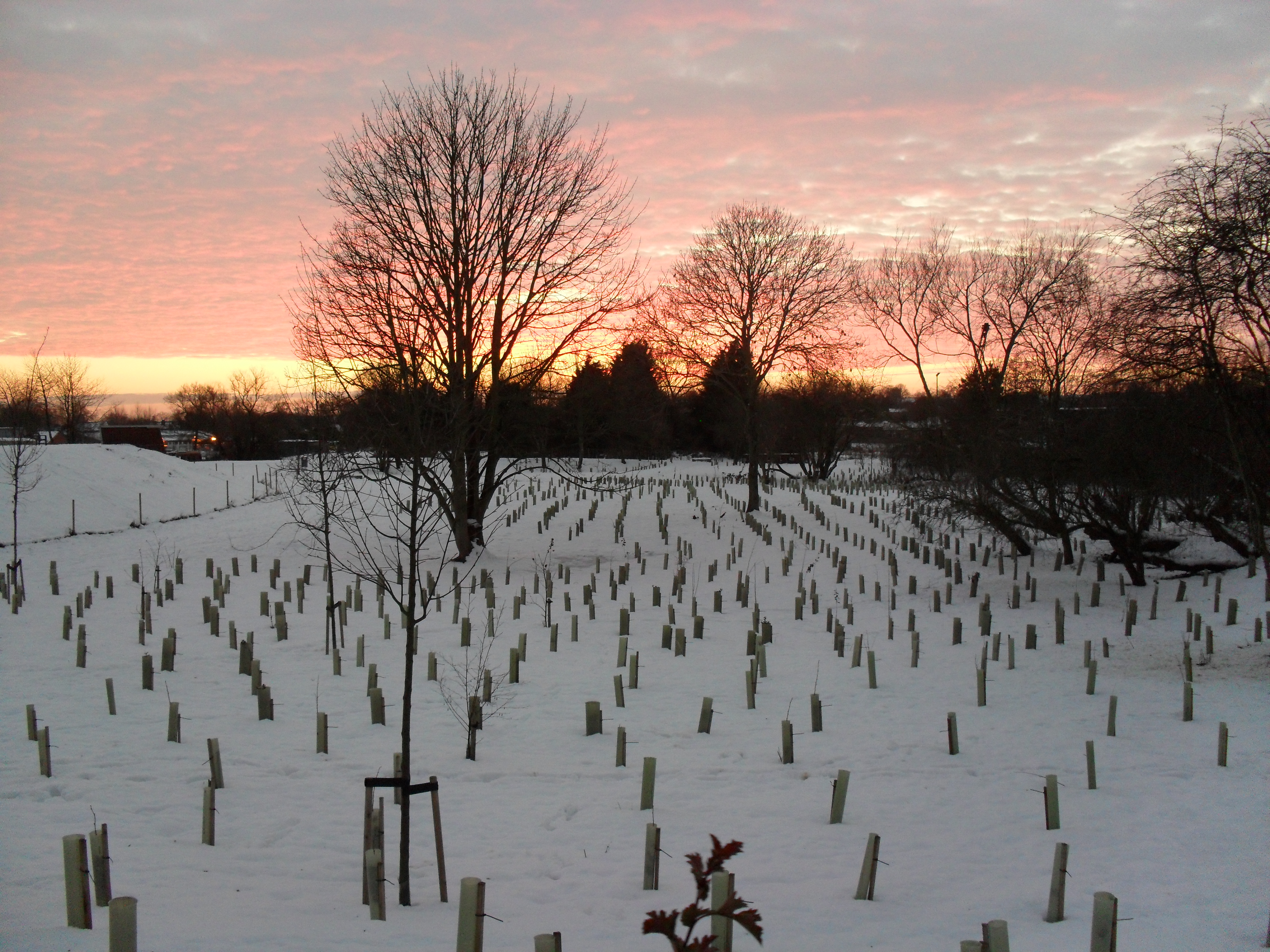
Horncastle lays between the Lincolnshire Wolds and the Lincolnshire Fens. It is a small market town, having it's market days on Thursdays and Saturdays. The markets, and the town in general, aren't as busy as Louth, but still hosts several stalls which don't appear at Louth. I have always found Horncastle to be a friendly place, where people talk to you as you go about your way. There are regular bus services to Lincoln (to the West), Skegness (to the East), Boston (to the South) & Louth (to the North), which is great for shopping in some of the larger stores.
Belchford
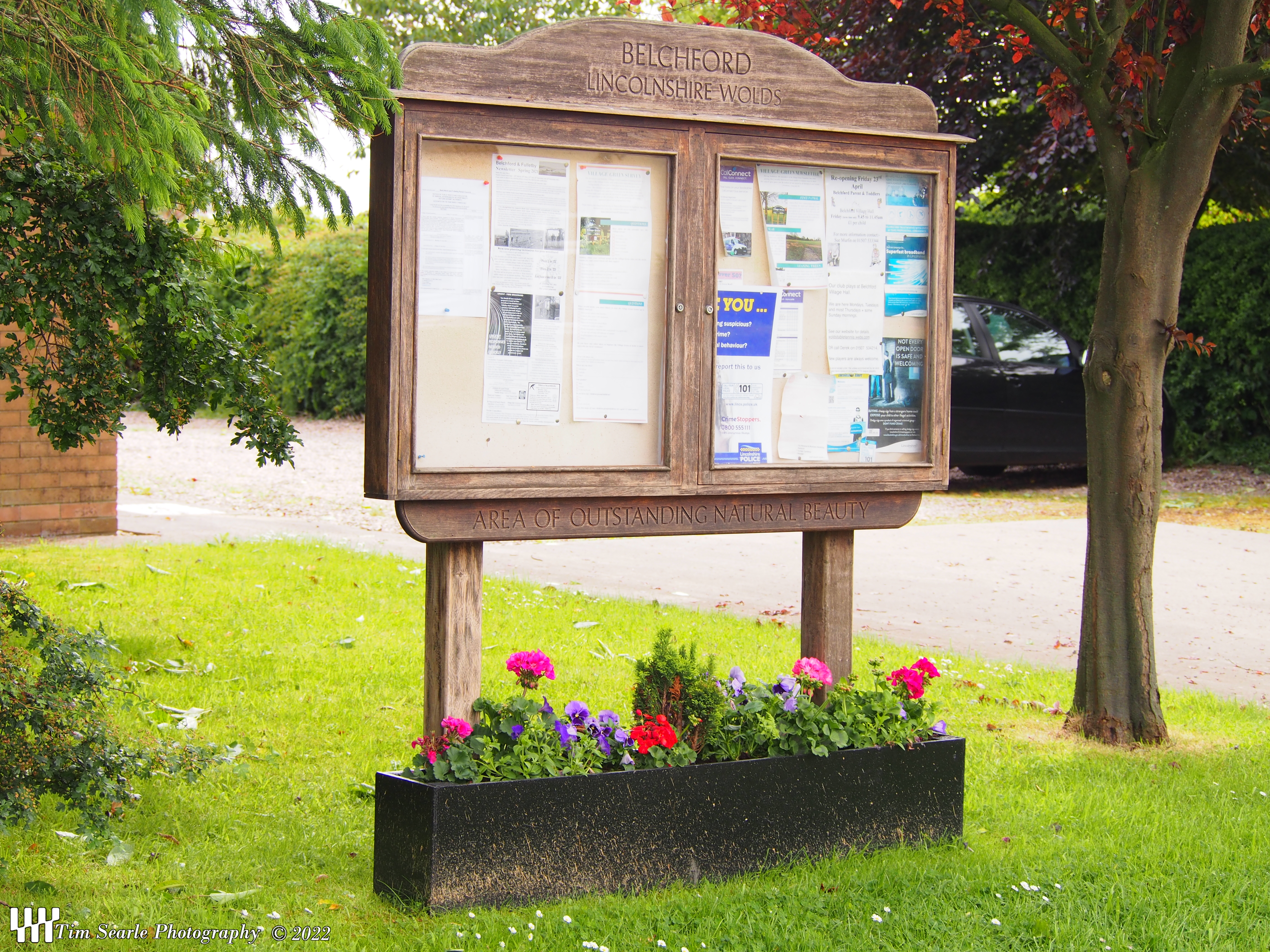
One of the many small villages around the Louth-Horncastle area, Belchford has a great Community Spirit. Like a lot of villages these days, the village shop and Post Office have been closed for many years. However, there is a Pub & restuarant, namely The Blue Bell, which is popular for miles around due to it's friendly reputation and fine food. The pub is the hub of the village, often used by Ramblers passing through on their way to view the beautiful scenery in the area. There is also a bookable bus service which passes through at designated times, or can be booked for a specific time to suit your requirements.
Fulletby
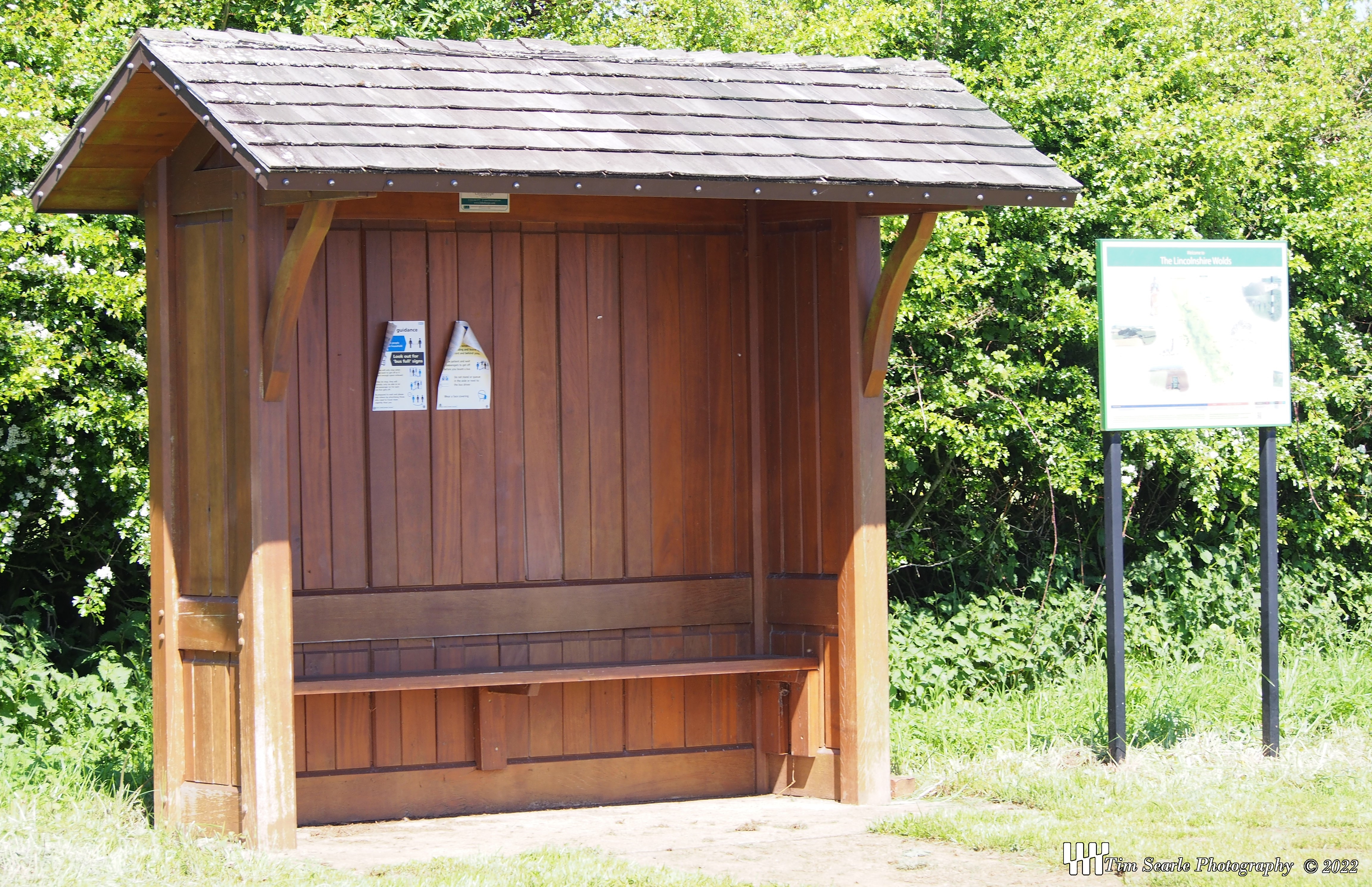
This small village, just South of Belchford (between Louth & Horncastle), doesn't boast to have a large population, or a village shop, or even a pub. However, it is the home of Fulletby Motors, who buy, repair & sell cars. They have an excellent reputation in the area and are always busy. The village is set atop a hill, having stunning views across several valleys towards Belchford and Tetford, which are host to some of the best sunsets I have seen anywhere in the United Kingdom (some of which are displayed on the Fulletby page.
Cumbria
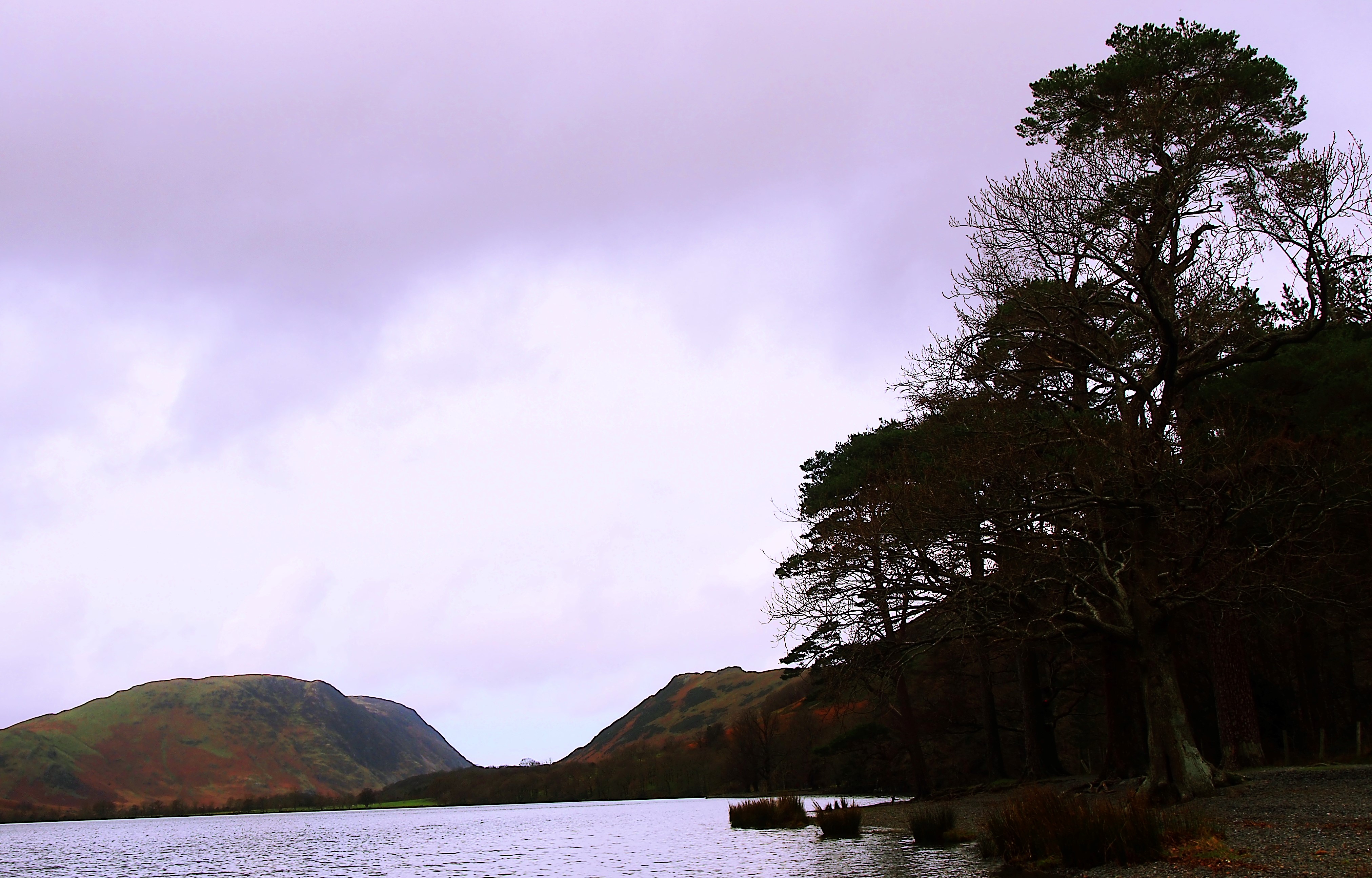
I have been lucky enough to visit various parts of Cumbria for many years now. On my first couple of visits, I stayed at Warcop, then Wathgill with Lincolnshire Army Cadet Force. Recently, I have spent time at Braithwaite, near Keswick. The scenery is breathtaking and the opportunity for stunning photography is amazing, which I grasped with both hands. Having equipped myself with all the necessary camera gear -> various lenses, ND filter, Polarising filter, tripod, etc, I ventured out on most days to some of the Country's most stunning locations.
Yorkshire
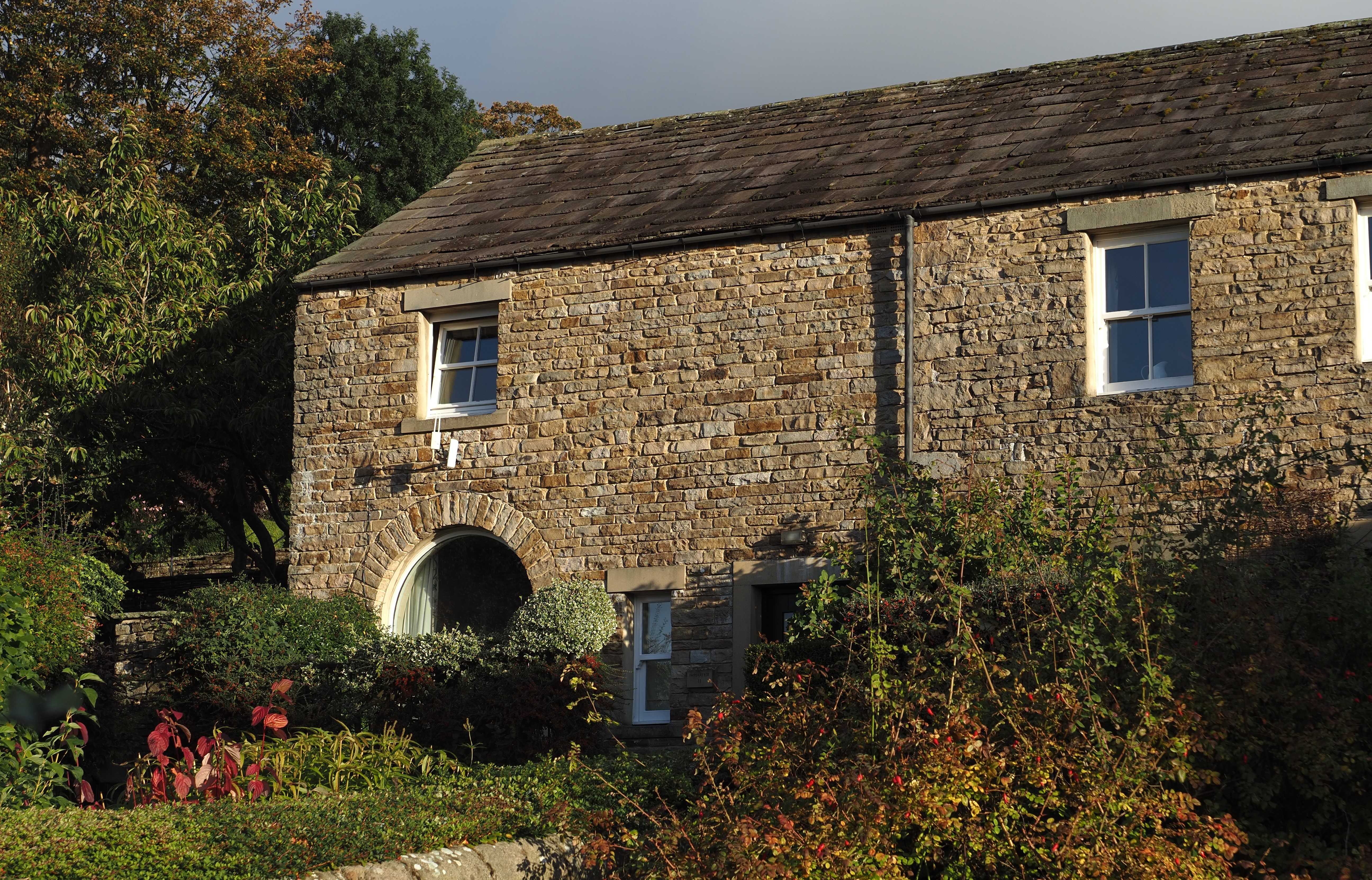
Another stunning part of the UK is Yorkshire. The open scenery, the views, the waterfalls, they all have a unique appeal that few other locations have. Although I have included some of the waterfall images in the Long Exposure page, I have added some here too, to give a full picture of the area. I was based at a small village called Asgrigg, which is home to two pubs and a hotel, amongst other shops and stores. This is another location where you never know what type of picture you're going to take next, so it's a good idea to carry most, if not, all your camera gear.
Scotland
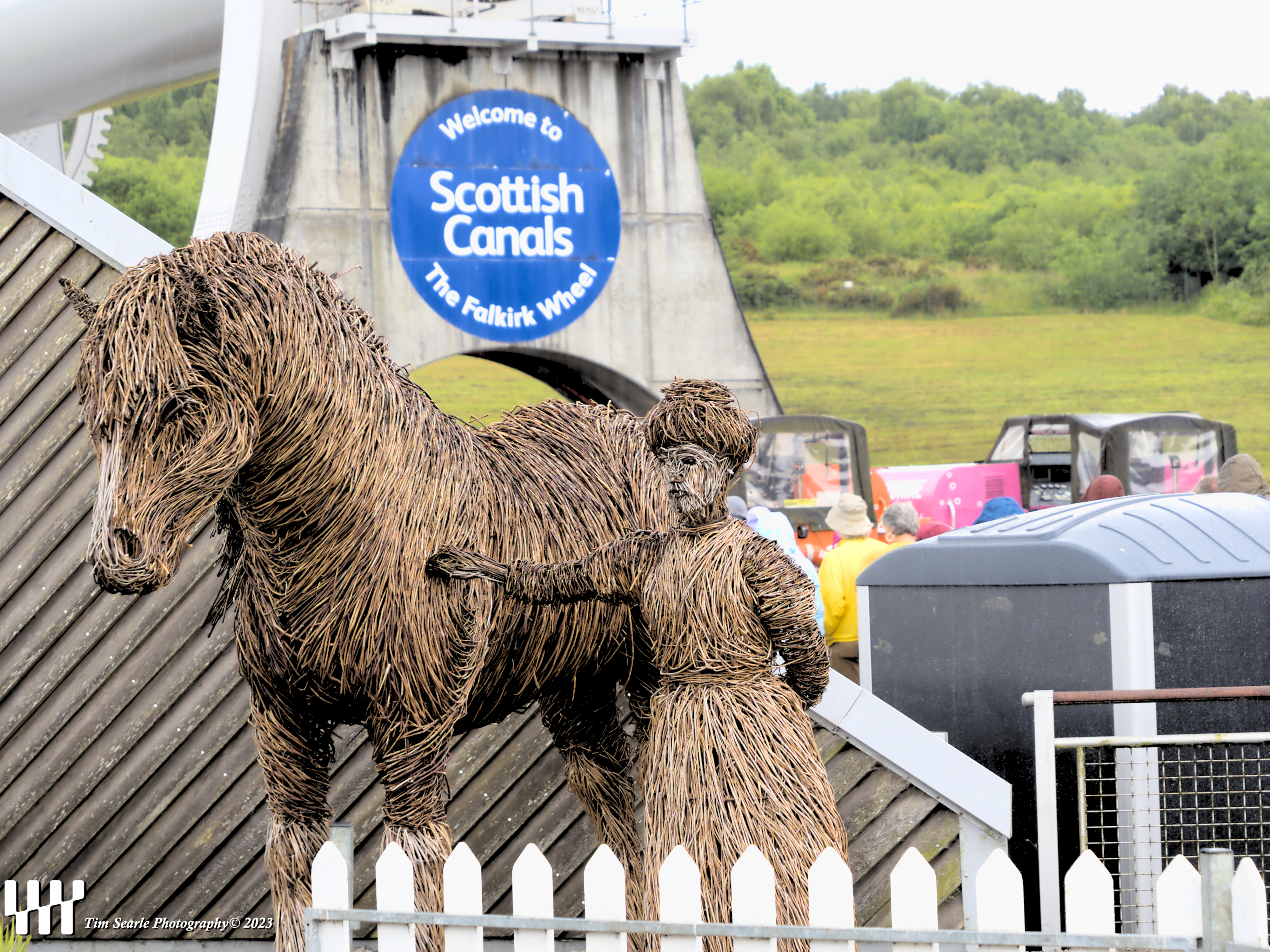
On a recent visit to Scotland, I was lucky enough to spend a week at a Lodge on the shores of Loch Lomond, with it's amazing scenery & unique landscapes (Thank you Russell and Lindsey). The images and video in this section are just a snapshot of the locations and photographic opportunities I got in just one week. Apart from the local shots of Loch Lomond, I also managed to get to the Falkirk Wheel and The Kelpies, which both have to be seen to be believed, in fact, The Falkirk wheel fascinated me so much, I captured a video of the full process. The Kelpies Legends are also fascinating.
Landscapes
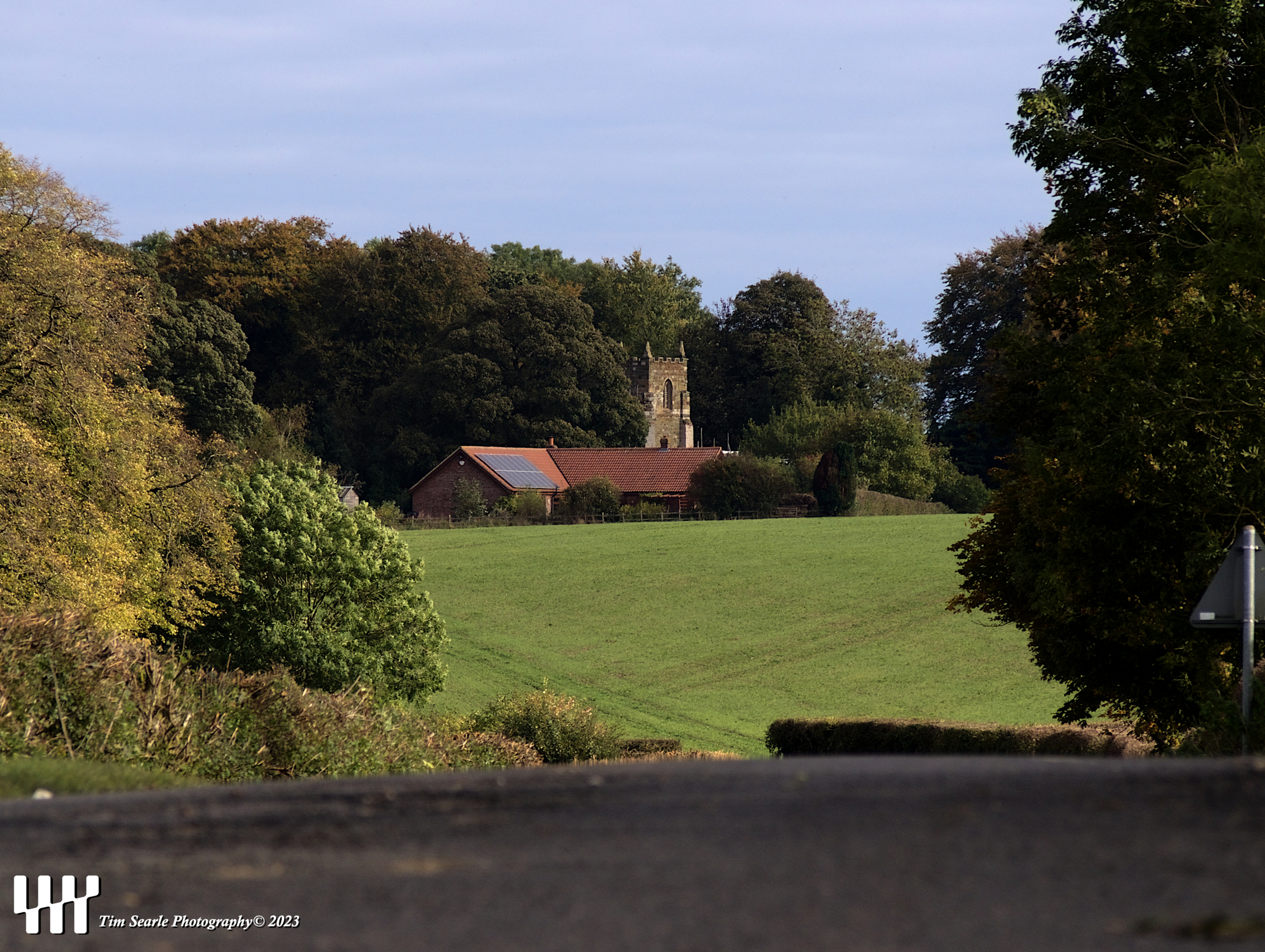
Following on from the Scenic topic, Landscapes are more of the same, although these may be generally wide angle photographs of the Countryside. Some of my favourite days are spent walking around Lincolnshire on a Sunny Day, just taking in the beautiful views. It isn't essential to carry a tripod, or any other equipment with me on these days, just a camera with a wide angle lens, although, you never know what else you are going to encounter on a walk, so I always carry a longer lens for closer shots, a tripod in case there are wildlife shots, and an Intervalometer in case there are Time Lapse opportunities.
Time Lapse
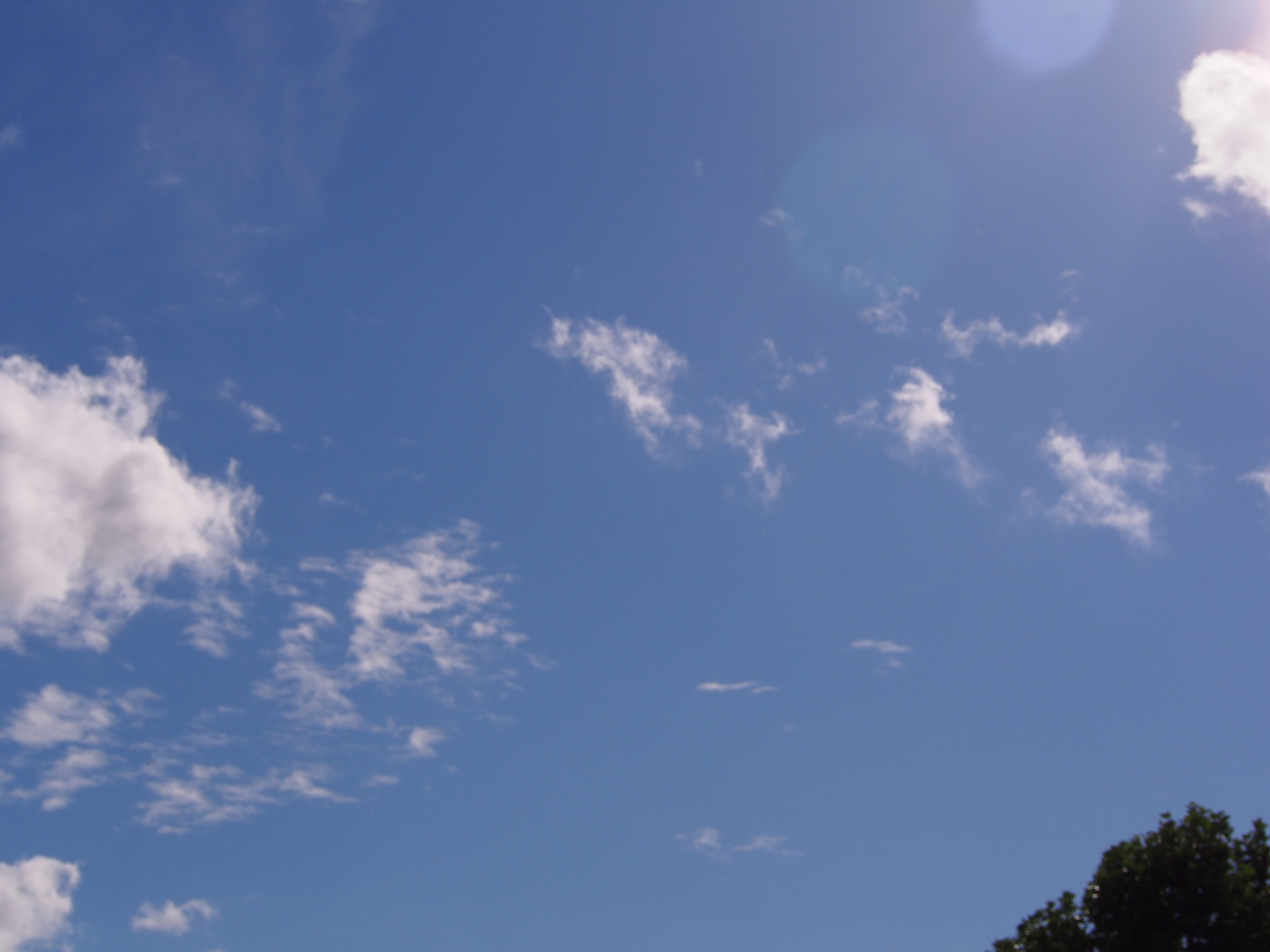
The technique involved in Time Lapse photography consists of, taking many (several hundreds) of individual images in quick succession. The, attatching (or Stitching) all of the images in sequence to produce, what appears to be, a film clip which looks like it is speeded up. Wildlife and Nature programs often contain this type of image sequence, to show something which is usually slow in nature, to look like it happens much faster, like a flower opening. Some animated movie creators use this technique too, except they take a single image, move the character, then take the next image .